Vactrim Light
Vactrim Light
Vactrim Light
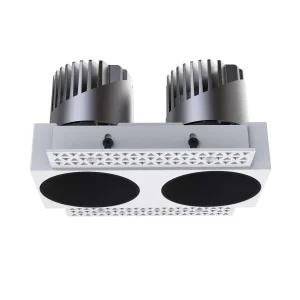
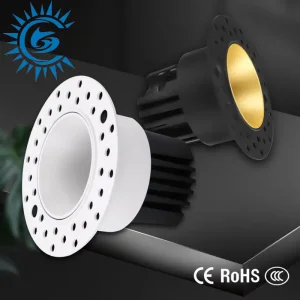
High-efficiency, trimless plaster-in models engineered for commercial and high-end residential spaces.
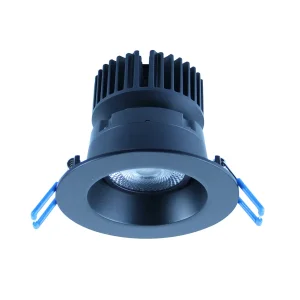
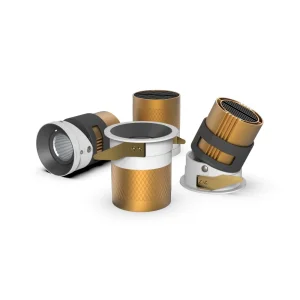
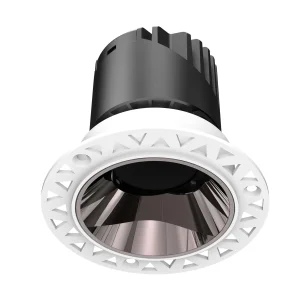
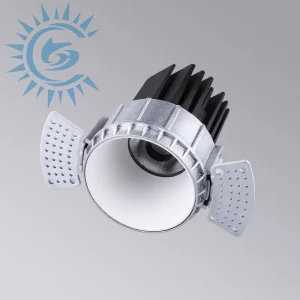
In contemporary spatial architecture, the ceiling plane is no longer viewed merely as structural utility, but as a critical element of aesthetic and light manipulation. The transition from traditional flanged downlights to trimless (frameless) plaster-in recessed fixtures represents a fundamental paradigm shift in commercial, hospitality, and high-end residential lighting. Historically, decorative flange rims served to conceal rough drywall cuts. However, these visible rims created unwanted visual clutter, breaking the clean, continuous surfaces demanded by modern minimalism.
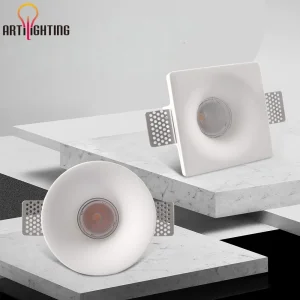
Trimless recessed downlights are designed to merge seamlessly with drywall or plaster ceilings, rendering the light fixture virtually invisible. By utilizing a perforated metal plaster plate (often termed a "mud-ring" or "spackle flange"), installers screw the fixture frame directly into the ceiling substrate and apply joint compound right up to the optical aperture. Once sanded and painted, the physical housing disappears. What remains is a pure, uncompromised emission of light originating from a clean, geometric opening.
Eliminating flanged profiles minimizes contrast on the ceiling, emphasizing spatial volume and keeping structural aesthetics clean and undisturbed.
By positioning the LED light source deeper within the housing structure, glare (UGR) is mitigated, creating high visual comfort.
Advanced specular and semi-specular reflectors allow designers to guide beams accurately without peripheral spill light.
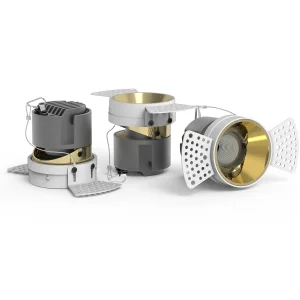
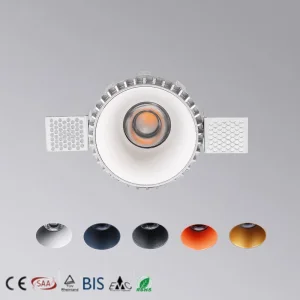
This design approach also addresses a primary goal of lighting designers: achieving a low Unified Glare Rating (UGR). High UGR indexes can cause optical fatigue and degrade comfort in workspaces or hotel environments. Modern trimless fixtures utilize specialized internal reflectors (in gold, black chrome, or matte white finishes) alongside Chip-on-Board (COB) light engines recessed up to 50mm inside the body. This configuration blocks direct sightlines to the luminous chip at normal viewing angles, reducing glare while maintaining high light transmission efficiency.
International procurement managers, engineering contractors, and architectural specifiers look for specific capabilities when sourcing trimless downlights. Because architecture varies widely across commercial, retail, residential, and industrial applications, a factory's technical capabilities and customization versatility are critical selection criteria.
Experienced exporters like Guangdong Vactrim Light Co., Ltd. understand that successful lighting integration requires custom flexibility. Key global procurement considerations include:
| Procurement Challenge | Engineering Solution Required | Impact on Lighting Performance |
|---|---|---|
| Flicker & Dimming Compatibility | DALI-2, 0-10V, Triac, and Casambi wireless integration. | Enables flicker-free operation down to 0.1% dimming levels, crucial for hospitality and video recording. |
| Color Consistency | Strict 3-Step MacAdam Ellipse (SDCM ≤ 3) chip binning. | Guarantees uniform light color temperature across large installations, avoiding mismatched yellow/blue hues. |
| Thermal Lifespan Degradation | High-purity die-cast aluminium profiles & active heat sink fins. | Maintains junction temperature (Tj) below 85°C to secure L80B10 performance exceeding 50,000 hours. |
| Environmental Suitability | IP54, IP65 rating options for wet areas (bathrooms/spa). | Prevents moisture, dust, and insects from entering optical chambers, ensuring longevity. |
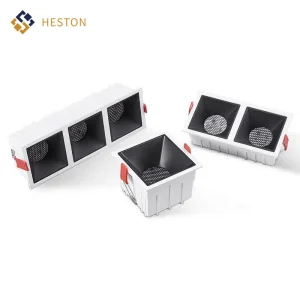
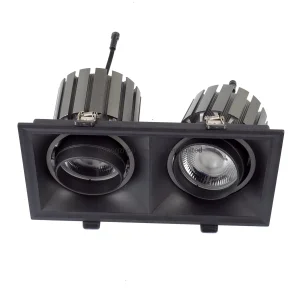
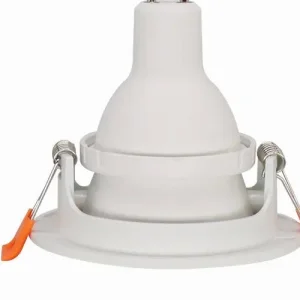
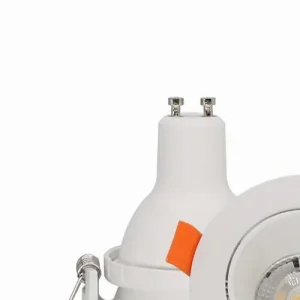
Additionally, modern structural engineering requirements demand versatile installation frames. Specifiers expect options for both round and square form factors, alongside multi-lamp configurations (single, double, or triple gimbals). Adjustable mechanisms must offer precise horizontal rotation (up to 360°) and vertical tilting (up to 30°) without breaking the ceiling line. Reliable factories must offer diverse beam angles (typically 15°, 24°, 36°, and 50°) by utilizing interchangeable PMMA lenses or aluminum reflectors, giving designers the tools they need to tailor illumination on-site.
Trimless recessed downlights are used across various macro-industry sectors. The application of these architectural fixtures is tailored to the specific needs of each environment:
In high-end hotel environments, lighting must create a welcoming, upscale atmosphere while ensuring comfort. Deep-recessed, anti-glare trimless fixtures are standard in lobbies, corridors, and guestrooms. They highlight textures, artwork, and architectural features without drawing attention to the light source. Implementing Dynamic Tunable White (2700K to 5000K) or Dim-to-Warm technologies allows hotel operators to adjust lighting to match circadian rhythms and daily activities.
Modern office designs emphasize workplace comfort and productivity. Lighting solutions must satisfy strict glare standards (UGR < 19) to prevent eye strain during long hours of computer work. Trimless linear and point-source downlights provide glare-free ambient and task lighting, helping designers create clean, uncluttered office ceilings.
Retail and museum lighting demands precise light control and accurate color rendering. Using fixtures with a high Color Rendering Index (CRI ≥ 95, R9 ≥ 80) is essential for presenting merchandise and art pieces naturally. Adjustable trimless spotlights allow gallery curators and retail visual merchandisers to highlight specific displays, adapting to layout changes without needing to replace the structural ceiling frames.
High-end architectural lighting relies on robust material science and precise electrical engineering. Trimless fixtures must stand up to years of service, maintaining consistent light output and thermal stability without requiring disruptive repairs inside finished plaster ceilings. The table below highlights the standard engineering specifications of our product ranges:
| Parameters | Standard Commercial Specification | Premium Project Specification |
|---|---|---|
| Light Source (COB) | Epistar / Bridgelux COB (CRI ≥ 80 / 90) | Citizen / Cree / Osram COB (CRI ≥ 95, R9 ≥ 80) |
| Luminous Efficacy | 90 - 100 Lm/W | 110 - 130 Lm/W |
| Driver Protocol | Lifud / Kegu / Euchips - Flicker-Free | Tridonic / Osram / Meanwell - DALI-2, 0-10V, Casambi |
| Color Consistency | SDCM ≤ 4 (MacAdam 4-Step) | SDCM ≤ 3 (MacAdam 3-Step) |
| Housing Material | A380 Die-Cast Aluminium Alloy | 6063 Cold-Forged / CNC-Machined Aluminium |
| Optics | Polycarbonate Vacuum-Coated Reflector | Pure Aluminum Specular/Black-Chrome Reflector + PMMA Lens |
| Thermal Conductive Media | Standard thermal paste (1.5 W/m·K) | Phase-change thermal pads (3.5 W/m·K) |
A key focus for our R&D is the thermal path. Since trimless fixtures are sealed inside ceiling cavities, they rely entirely on passive heat dissipation. Using A380 die-cast aluminum housings with optimized cooling fins allows heat from the LED junction to transfer efficiently to the air. This protects the silicon chip from overheating, preventing early color shifts and preserving the fixture's long-term light quality.
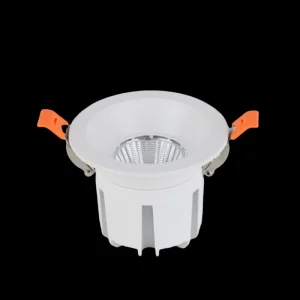
Deep-recessed reflectors with high-transmission micro-prismatic diffusers prevent direct view of the LED, maintaining low-glare performance.
Perforated mud-in flange structures attach securely to drywall, preventing surface cracks at the plaster-drywall boundary.
High-thermal-conductivity aluminum housings dissipate heat from the COB chip, protecting electronic components from overheating.
Smart lighting drivers integrate with building automation networks via DALI-2, KNX, or wireless protocols like Casambi and Matter.
Founded in 2010, Guangdong Vactrim Light Co., Ltd. is a high-tech manufacturer specializing in professional commercial LED lighting solutions. We provide research, development, engineering, and manufacturing services to hospitality, retail, and commercial partners worldwide.
Over more than a decade, we have invested in manufacturing systems and product testing to meet the strict demands of international lighting markets. Our product lines include LED track lights, downlights, spotlights, linear profiles, magnetic track systems, and customized architectural solutions.
Our engineering and management teams average 10 to 15 years of industry experience. This expertise allows us to provide comprehensive OEM and ODM support, guiding projects from initial sketches and photometric simulations to final production and delivery.
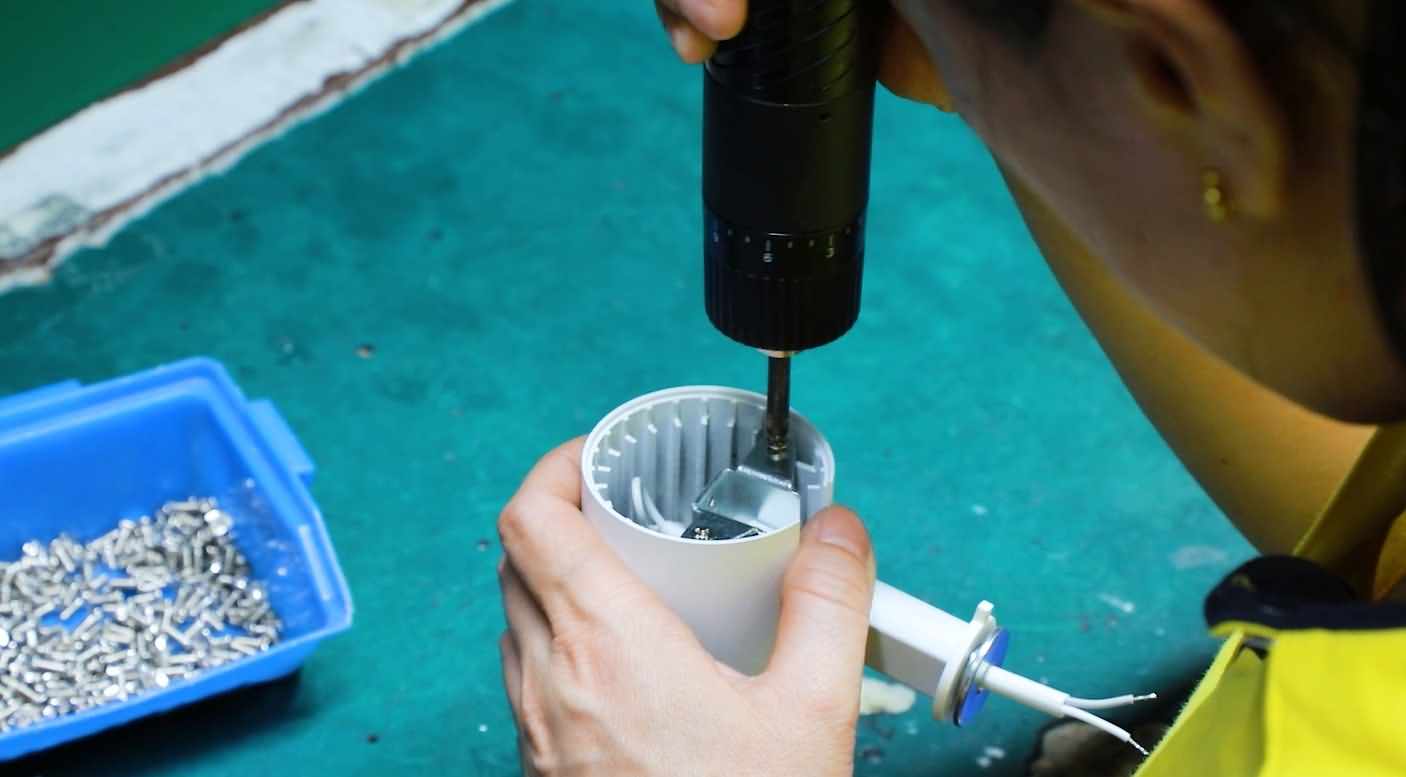
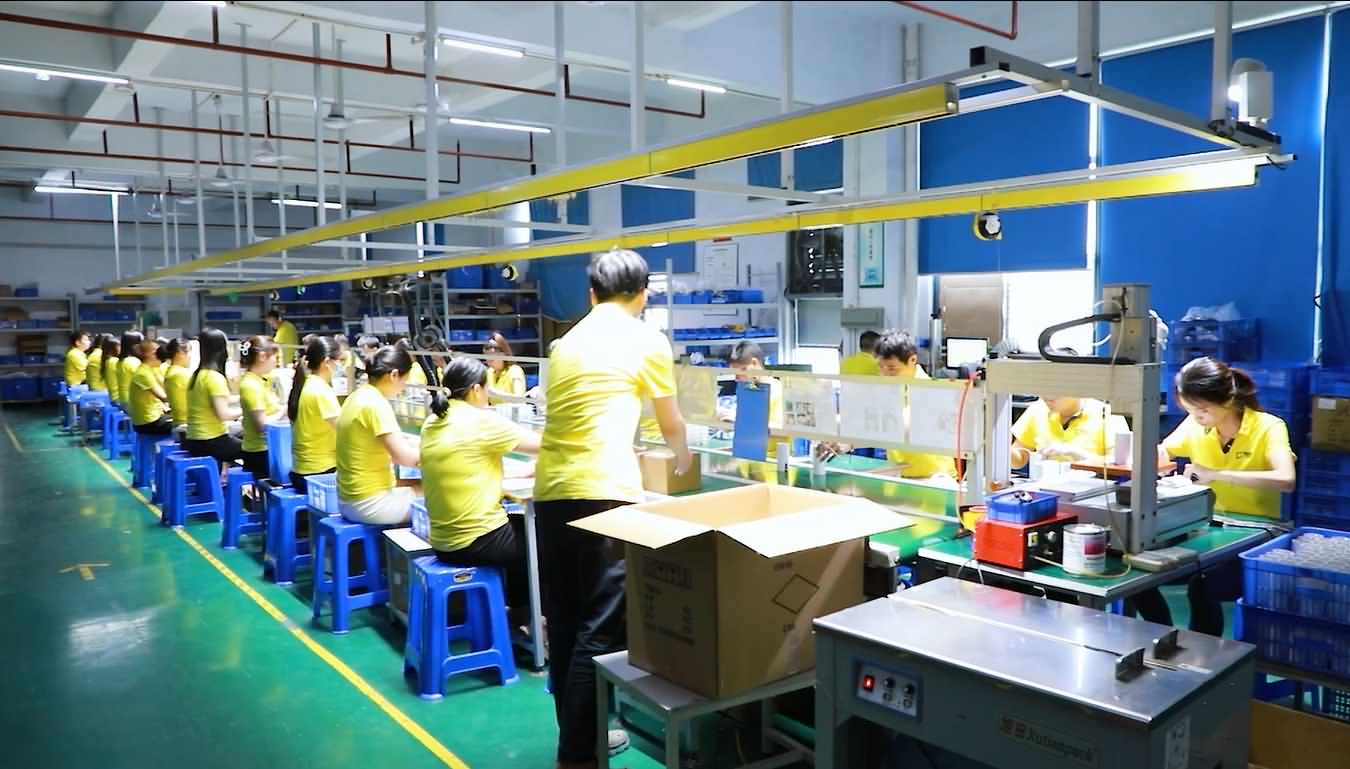
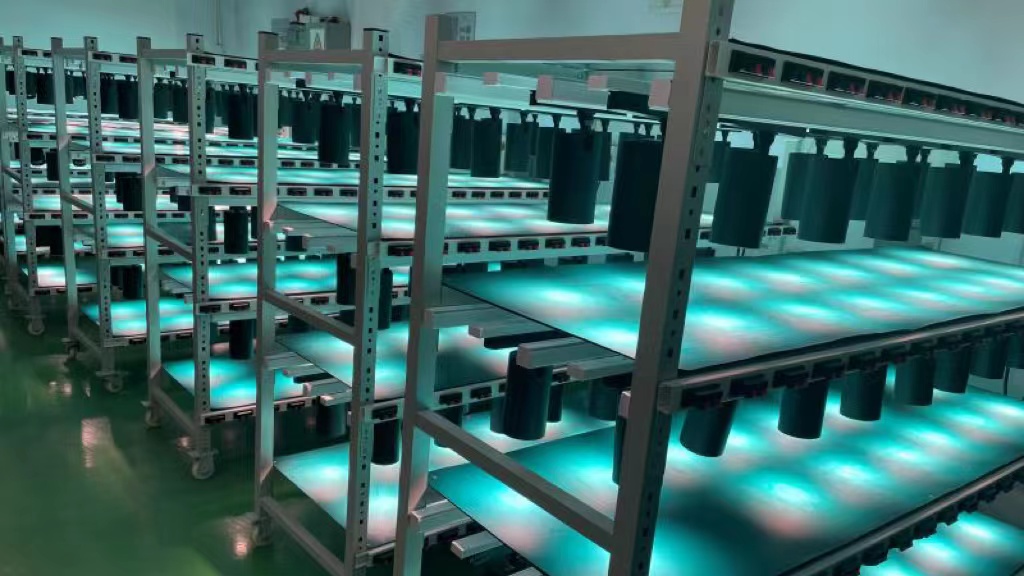
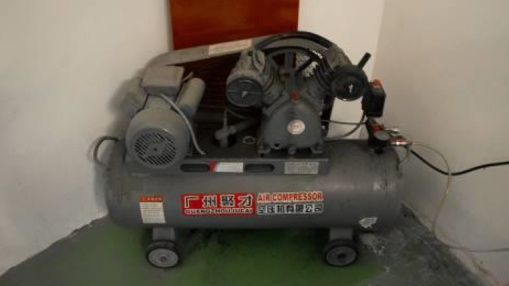
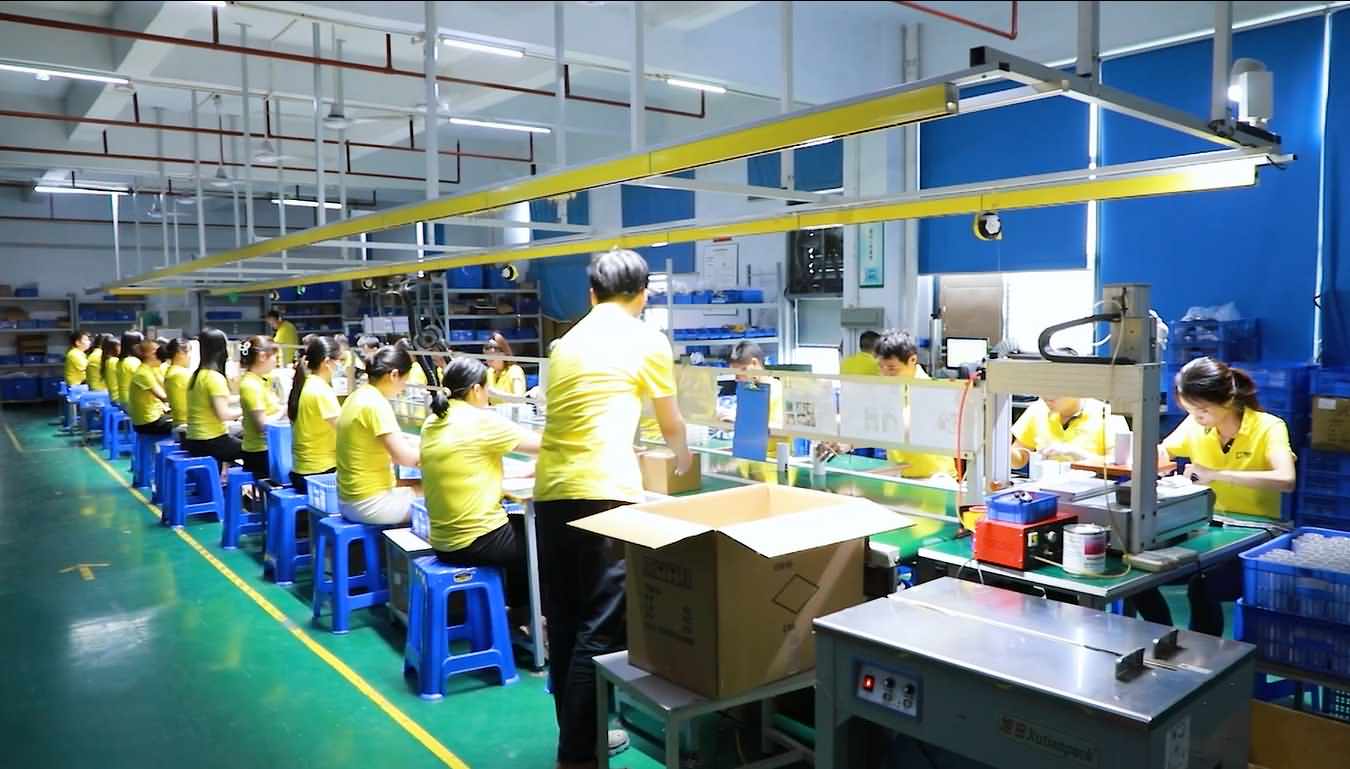
We maintain strict quality control at every stage of production, from raw materials to final packaging. Our structured workflow ensures consistent build quality and long-term reliability for every fixture we ship:
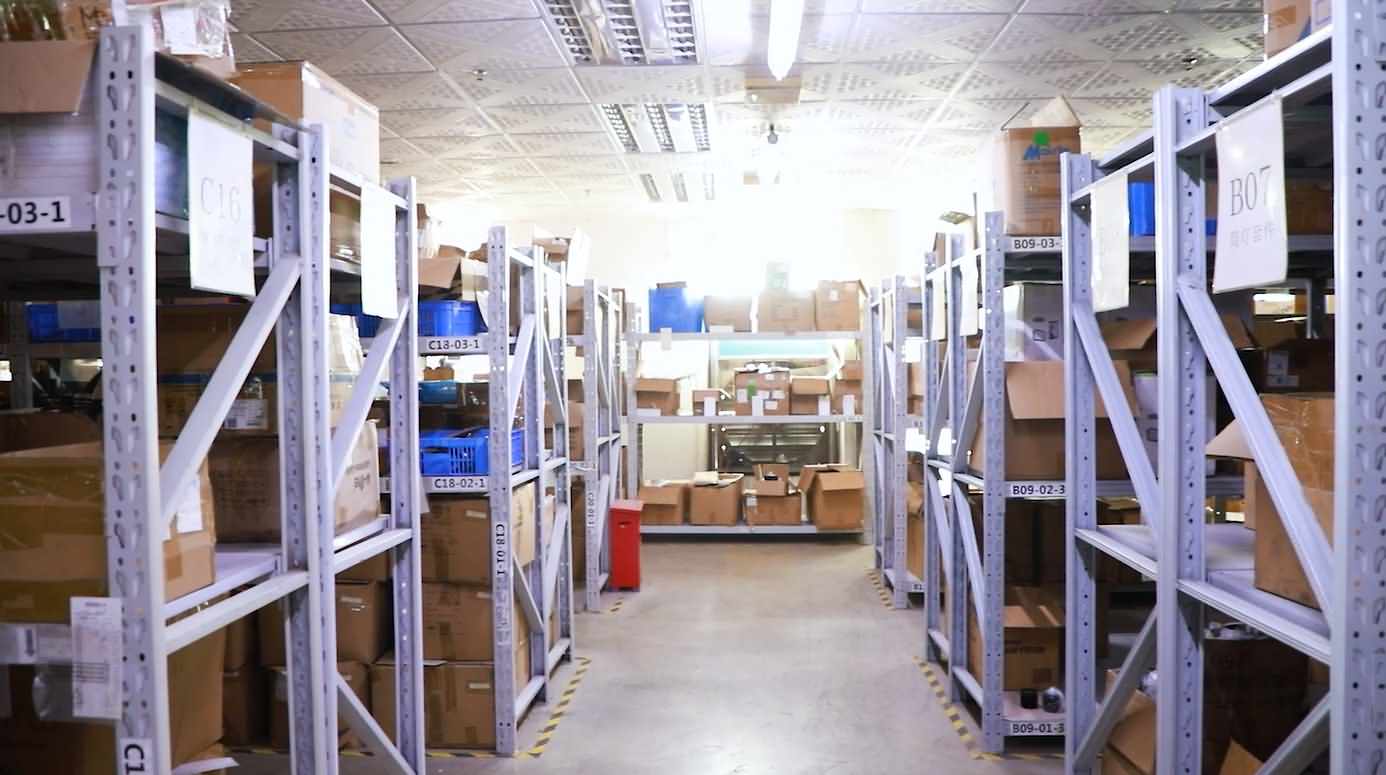
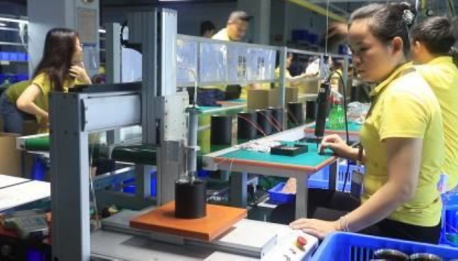
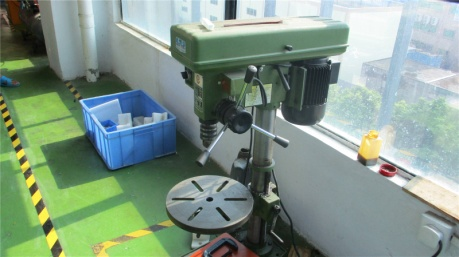




Exporting lighting fixtures globally requires matching regional electrical regulations and building codes. Different markets have specific standards to ensure safety, efficiency, and structural compatibility:
To support global supply chains, factories must go beyond standard certifications. We provide our partners with technical document packages, including IES file datasets for Dialux simulations, detailed thermal test reports, and clear, step-by-step installation guides to streamline the building permit and project sign-off phases.
The architectural lighting industry is shifting toward smart, integrated, and sustainable systems. As building designs evolve, recessed trimless downlights are incorporating new technologies:
Human-Centric Lighting mimics natural daylight patterns to support human circadian rhythms. Future product lines will feature dynamic white engines that adjust color temperature from 2200K to 6500K throughout the day. This technology helps improve focus in office settings and supports relaxation in hospitality and residential environments.
Advanced optical designs are enabling smaller fixtures that produce the same light output. Miniaturized downlights with apertures down to 25mm can deliver high lumens with minimal impact on the ceiling plane, allowing designers to create functional layouts without visual clutter.
Wireless standards like the Matter protocol are simplifying lighting integration. We are developing driver modules that connect directly with Matter-compliant smart home and building management systems (BMS), ensuring cross-platform compatibility without needing proprietary gateways.
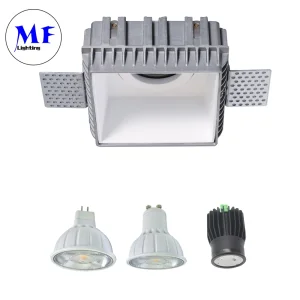
Explore our technical specifications for specialized project integrations, including wallwashers and replaceable bulb designs.