Vactrim Light
Vactrim Light
Vactrim Light
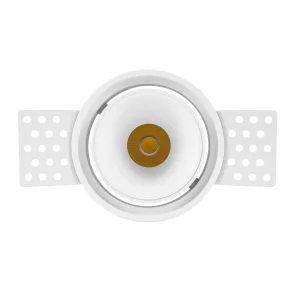
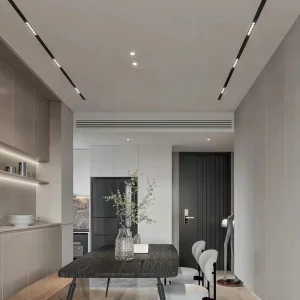
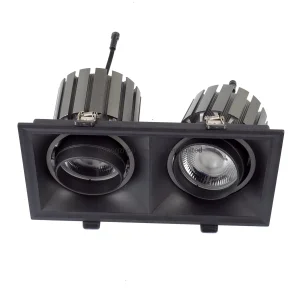
Driving bottom-line results through deep industry capability, certifications, and operational scale.
A trusted global partner delivering engineering-driven commercial LED solutions.
Founded in 2010, Guangdong Vactrim Light Co., Ltd. is a modern high-tech enterprise specializing in the research, development, design, manufacturing, sales, and service of professional commercial LED lighting solutions. With a strong commitment to innovation, quality, and sustainability, Vactrim has become a trusted partner for customers worldwide in the commercial, industrial, hospitality, retail, and architectural lighting sectors.
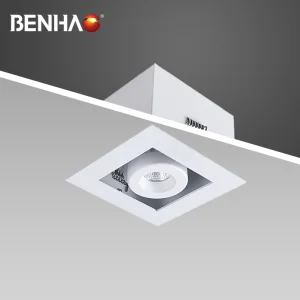
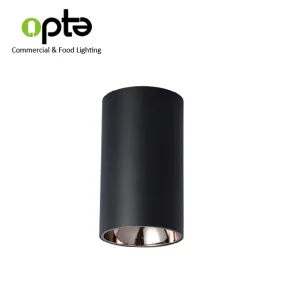
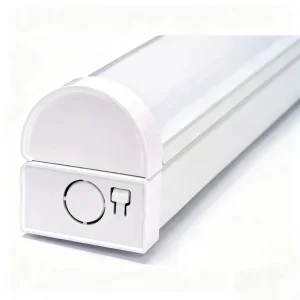
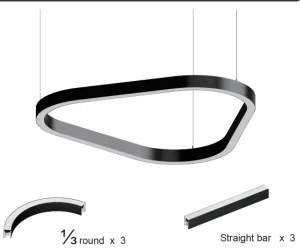
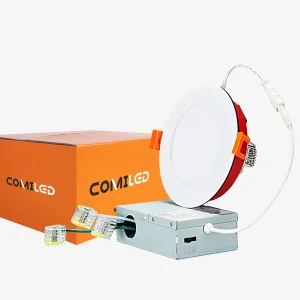
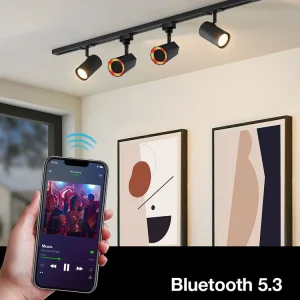
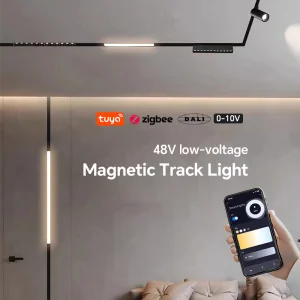
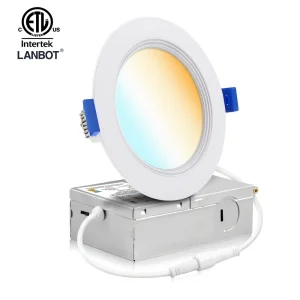
Over the years, Vactrim has continuously invested in advanced technologies, intelligent manufacturing systems, and product innovation to meet the evolving demands of the global lighting market. Our comprehensive product portfolio includes LED track lights, downlights, spotlights, linear lights, magnetic lighting systems, and customized lighting solutions designed to enhance both functionality and visual experience.
Our core management and technical team possesses more than 10–15 years of extensive experience in lighting product development, engineering, procurement, production management, and international business operations. This expertise enables us to provide professional support, efficient project management, and reliable OEM/ODM services for customers around the world.
Guided by the philosophy of "Innovation, Quality, Efficiency, and Customer Satisfaction," Vactrim strives to build long-term partnerships through continuous technological advancement, superior product performance, and exceptional customer service.
Analyzing the evolution of intelligent control infrastructures across commercial and industrial zones.
The global smart lighting control market is undergoing a structural transition driven by decarbonization directives, escalating energy tariffs, and the expansion of the Internet of Things (IoT). Historically limited to simple binary switching and analog phase-cut dimming, modern architectures now leverage intelligent wireless networks (e.g., Bluetooth Mesh, Zigbee 3.0, Matter) and wired protocols (DALI-2, KNX, PoE) to establish two-way data feedback loops. According to market intelligence, the global commercial smart lighting sector is projected to exceed USD 40 billion by 2030, registering a CAGR of over 18%.
In modern industrial facilities and Class-A commercial high-rises, smart lighting is no longer viewed merely as an illumination tool but as a data-gathering grid. Every luminaire serves as a node, housing integrated occupancy, daylight harvesting, and temperature sensors. By communicating real-time occupancy data back to Building Management Systems (BMS), facility management teams can optimize HVAC runtime, schedule preventive maintenance, and achieve energy savings of up to 65% compared to legacy fluorescent systems.
Ideal for commercial spaces where signal interference is a risk, ensuring interference-free, granular control over large installations.
Enabling direct-to-cloud control, local scene execution, and smartphone-based adjustments without physical rewiring.
Delivering low-voltage power and multi-gigabit data access over a single Cat6 cable, streamlining installation overheads.
Pioneering the future of biological-centric luminaire controls and eco-friendly practices.
Industry specifications are shifting toward Human-Centric Lighting (HCL). Human biology is inherently synchronized with the 24-hour solar cycle. Natural light changes in intensity and spectral composition throughout the day. Commercial spaces now utilize Tunable White (5CCT / Dynamic CCT) technologies to mimic this cycle. High-intensity, blue-enriched cool white light (5000K-6500K) is delivered in the morning to suppress melatonin production and boost alertness. In the evening, the system shifts to a warm, low-intensity glow (2200K-2700K) to facilitate relaxation. This dynamic control is essential in modern workspace wellness standards like WELL and LEED.
Simultaneously, the industry is embracing sustainability and circular economy principles. Leading manufacturers focus on modular designs where drivers, control modules, and LED boards can be independently replaced or upgraded without discarding the entire fixture housing. In addition, using eco-certified materials, zero-solvent electrostatic powder coatings, and automated, high-precision glue-dispensing processes reduces manufacturing waste and carbon footprints.
| Trend Vector | Technical Feature | Target Application | Estimated ROI Impact |
|---|---|---|---|
| Human-Centric Lighting | Dynamic Tunable White (2200K - 6500K), high CRI (>90) | Offices, Healthcare Facilities, Schools | +12% Productivity & Well-being Gains |
| Predictive Diagnostics | Smart Drivers with DALI Part 251-253 data logging | Industrial Plants, Logistics Centers | -40% Operational Maintenance Costs |
| Micro-Segmentation | Autonomous Sensor Nodes per Luminaire | Open-Plan Office Spaces, Libraries | Up to 70% Energy Consumption Savings |
| Interoperable Mesh | Thread / Bluetooth Mesh / Zigbee 3.0 | Retail Outlets, Retrofit Commercial Buildings | -50% Initial Installation Time & Costs |
Adapting smart lighting architectures to meet regional standards and architectural constraints.
Global markets present distinct challenges shaped by safety codes, construction norms, and regional energy policies. As a leading exporter, Guangdong Vactrim Light Co., Ltd. engineers products to meet these regional requirements:
Leading the next generation of light-emitting and control-processing system technologies.
Guangdong Vactrim Light Co., Ltd.'s R&D roadmap is focused on integrating lighting grids with wider IoT developments. Our current research initiatives address three key technological areas:
1. Edge AI Integration: By embedding microcontroller units (MCUs) directly into smart LED drivers, luminaires can run machine-learning models locally. This allows fixtures to analyze occupancy patterns in real time, adjust dimming profiles, and predict component failures before they occur. This decentralized approach reduces the need to continuously stream data back to a central cloud server, minimizing bandwidth consumption and potential points of failure.
2. Light Fidelity (LiFi): LiFi utilizes high-frequency light wave variations to transmit high-speed data wirelessly. Our laboratory is testing prototypes that integrate LiFi transceivers into high-performance downlights. This technology offers a secure, interference-free alternative to radio frequency (RF) communications, particularly in sensitive environments like hospital operating theaters, defense facilities, and underground research complexes.
3. Unified Matter over Thread Protocol: As the commercial smart building sector moves toward unified wireless frameworks, Vactrim is actively transitioning its product line from closed protocols to Matter over Thread. This standard provides a low-power, self-healing wireless mesh network that ensures direct interoperability with controllers from various brands, simplifying project design and commissioning for system integrators.
Tailoring luminaire architectures to optimize performance in diverse commercial environments.
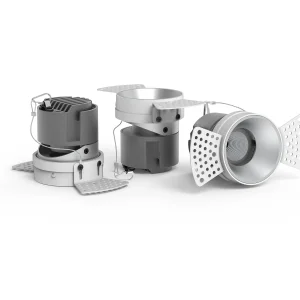
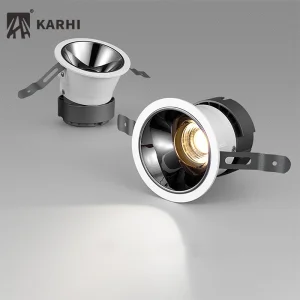
Utilizes trimless recessed downlights and dynamic track light systems with high Color Rendering Index (CRI Ra > 95, R9 > 80). These systems help highlight product textures and colors while allowing staff to adjust lighting layouts via app-based control.
Combines low-glare downlights (UGR < 19) with linear pendant light solutions. These can be integrated with daylight harvesting systems to dim luminaires automatically near windows, maximizing natural light use and reducing energy costs.
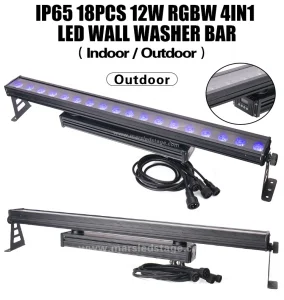
Applies high-power IP65/IP66 LED wall washers, robust linear vapor-tight fixtures, and high-bay lighting. These products are built to withstand high levels of vibration, moisture, and dust, ensuring reliable performance in harsh environments.
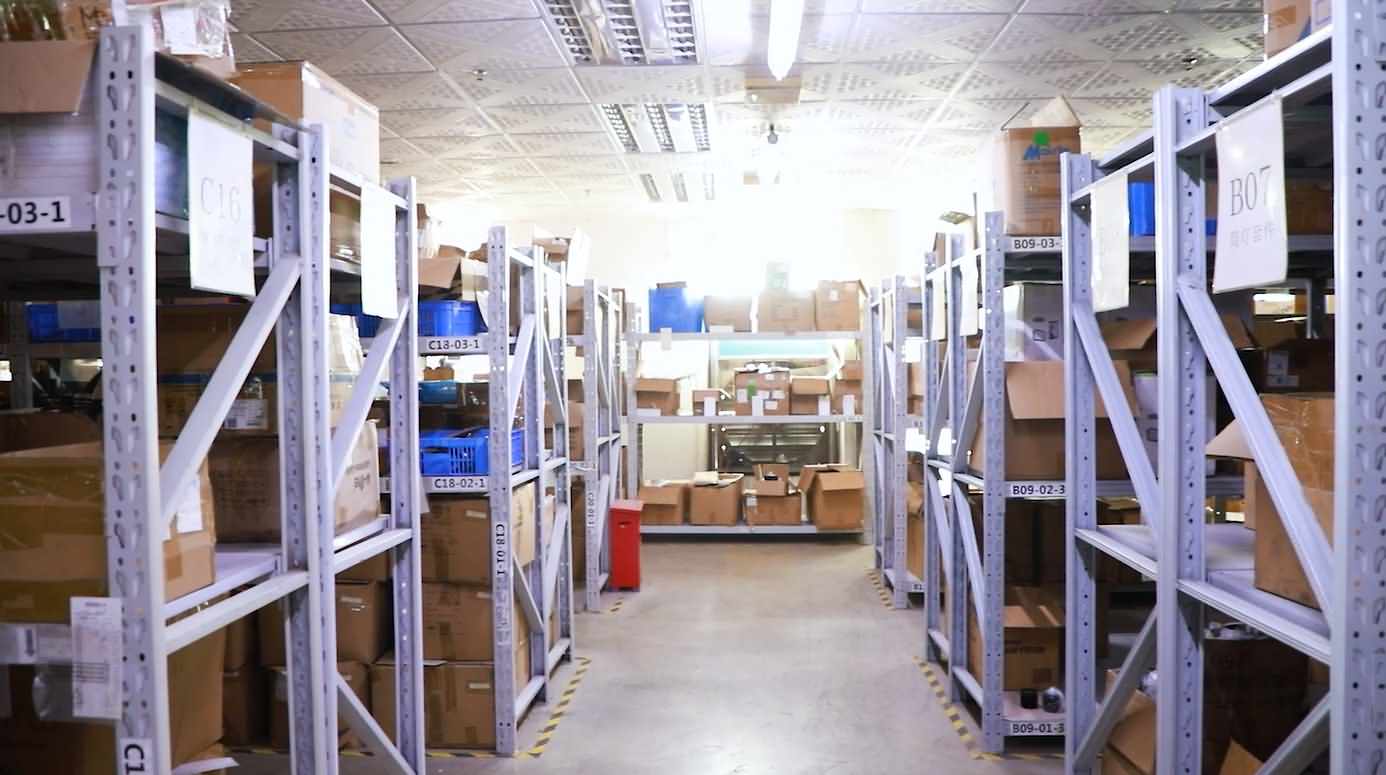
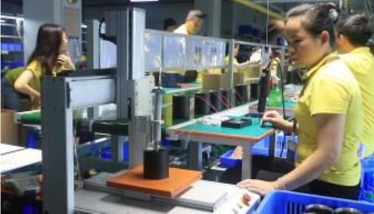
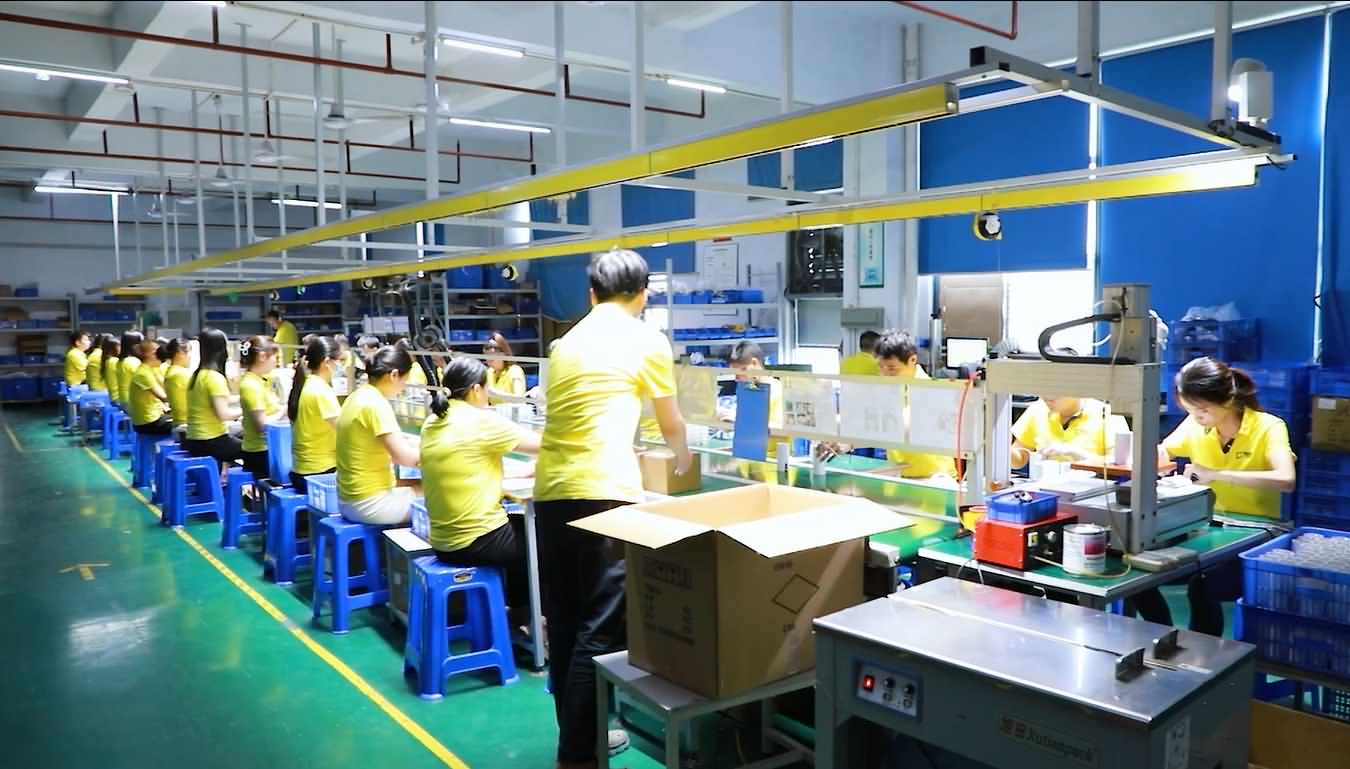
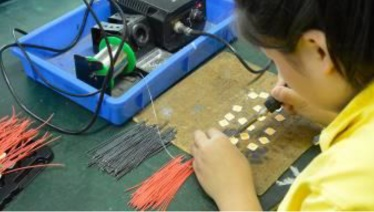
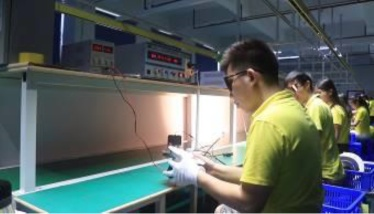
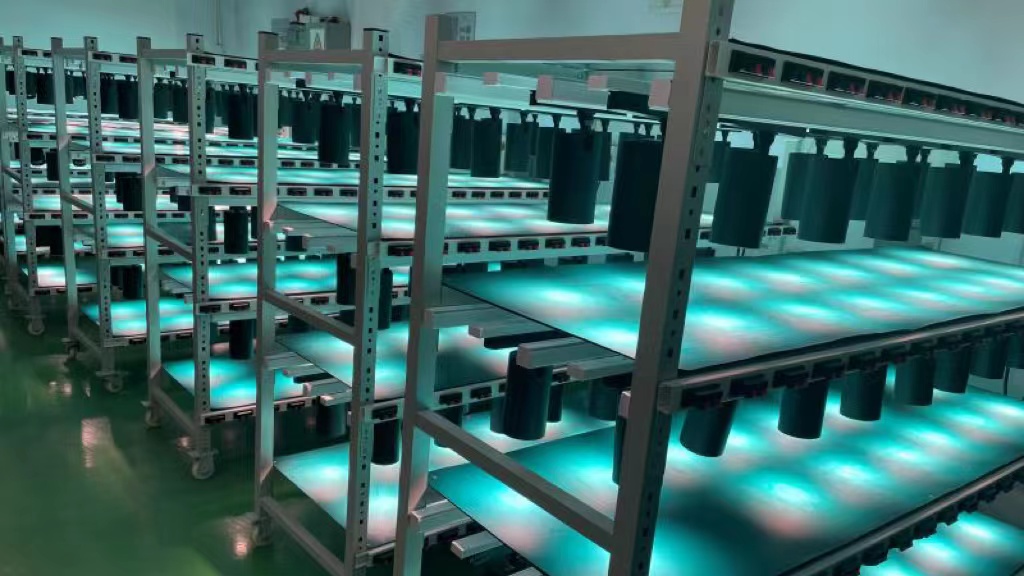
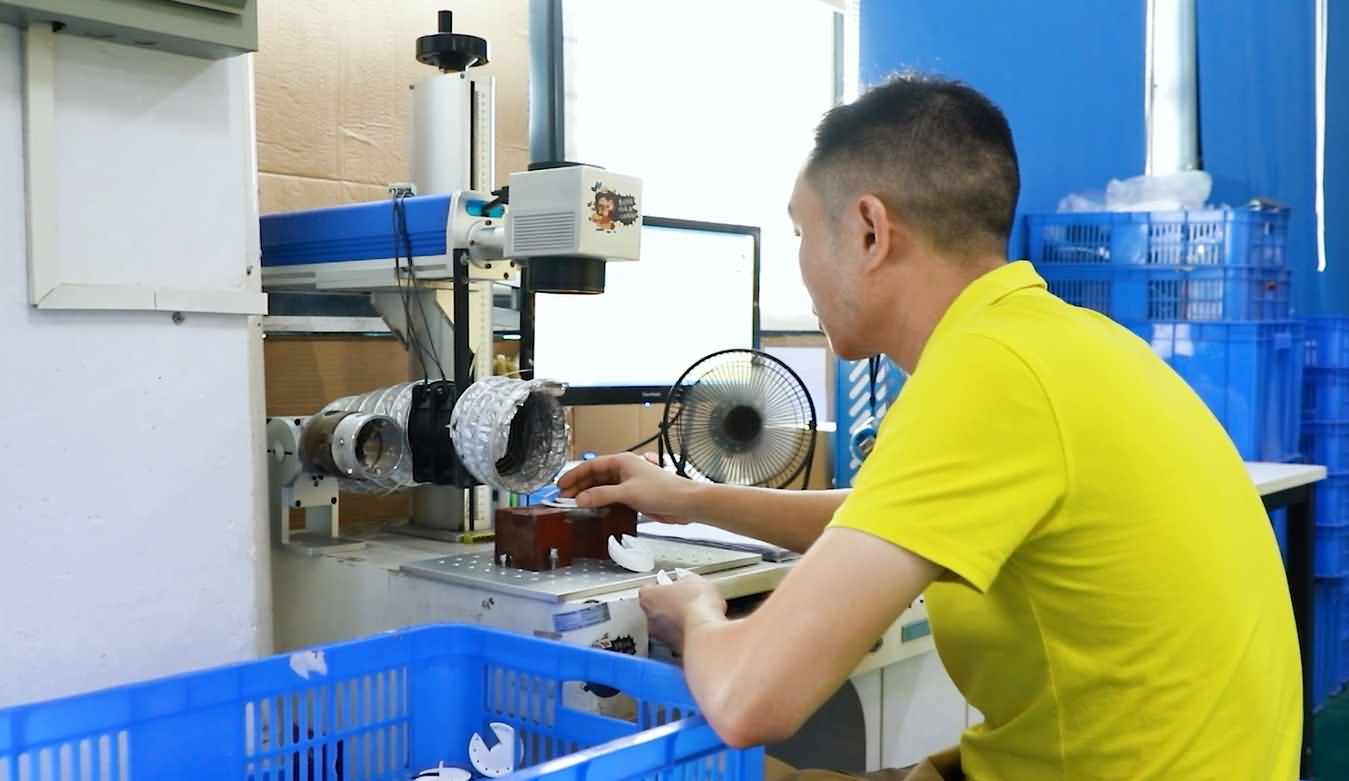
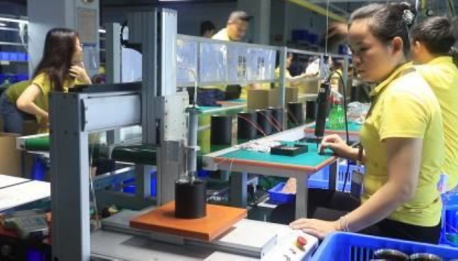
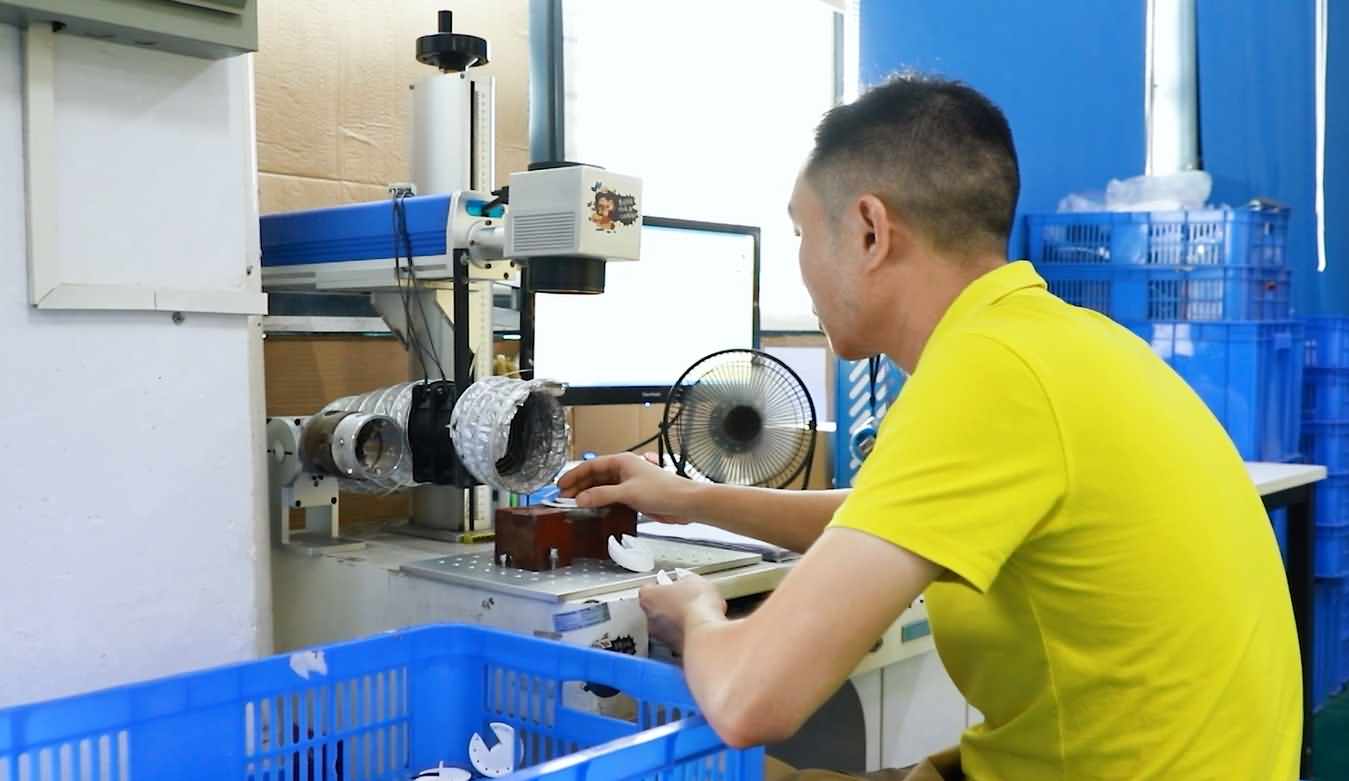
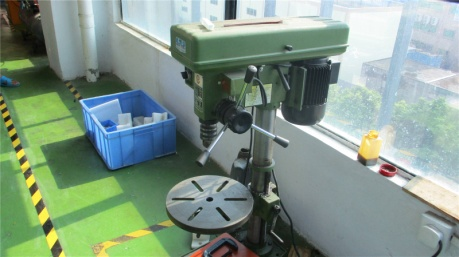
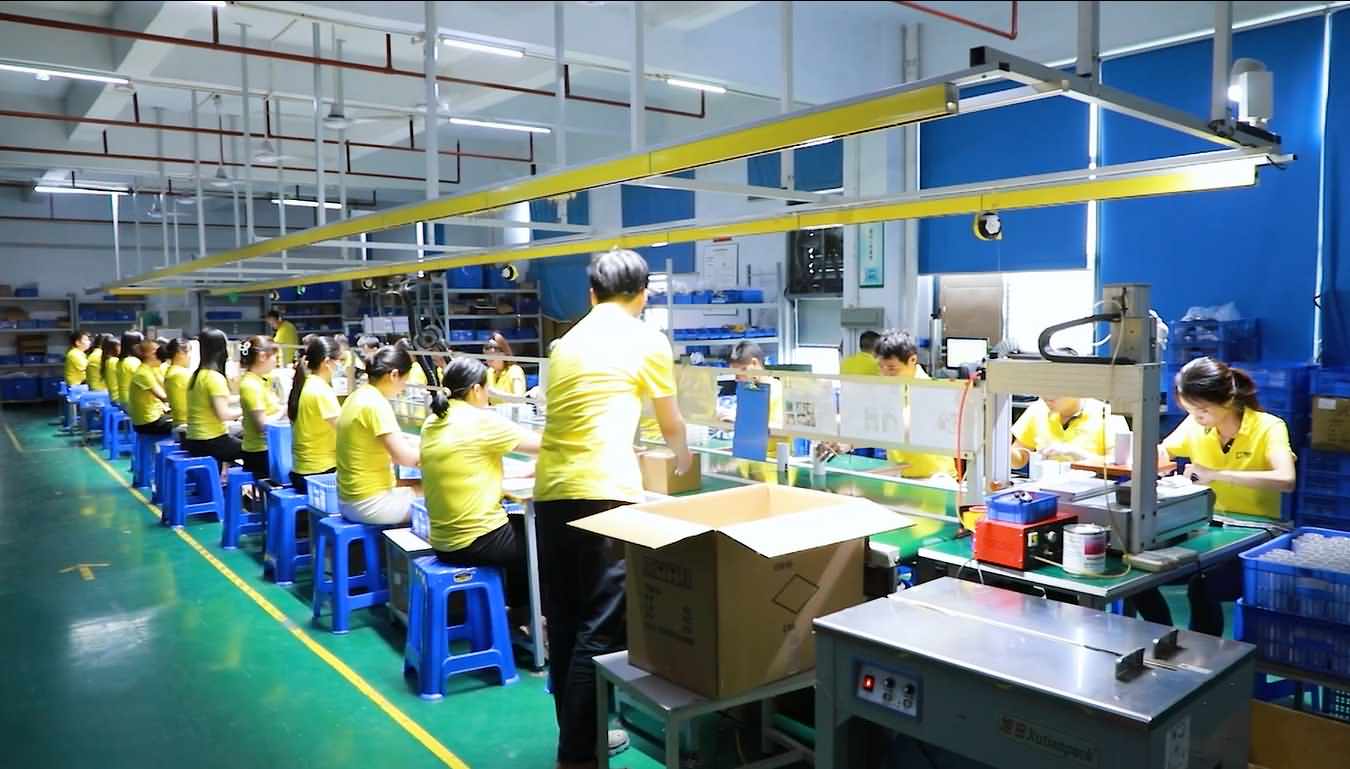
A look inside our ISO 9001:2015 certified production lines and testing equipment.



Expert insights on importing, specifications, and smart lighting system design.