Vactrim Light
Vactrim Light
Vactrim Light
Engineered for excellence, delivering high efficiency, low degradation, and long lifespan in demanding industrial and commercial environments.
In the transition toward sustainable infrastructure, the combination of photovoltaic (PV) modules and high-efficacy light-emitting diodes (LED) has evolved from simple residential components to complex, utility-grade municipal and industrial solutions. Modern solar-powered LED systems must integrate high conversion ratios, long battery lifecycles, and advanced thermal management to achieve dependable performance in demanding outdoor conditions.
This report reviews the qualifications of the top solar-powered LED light manufacturers. It provides procurement professionals, municipal engineers, and global contractors with the criteria needed to select reliable partners. We look beyond basic product sheets, analyzing manufacturing processes, technology paths, and supply chain resilience.
To identify the top 10 solar-powered LED light factories, organizations must evaluate specific engineering, manufacturing, and operational capabilities.
Top factories utilize A-grade monocrystalline silicon cells with conversion efficiencies exceeding 22%. Lower-tier suppliers often use polycrystalline cells, which degrade quickly and generate less power per square meter.
High-quality manufacturers build systems using Lithium Iron Phosphate (LiFePO4) batteries with advanced Battery Management Systems (BMS). This setup supports over 3,000 to 6,000 charge-discharge cycles at high depth of discharge (DoD).
Maximum Power Point Tracking (MPPT) controllers harvest up to 30% more energy than standard PWM controllers. Leading factories design proprietary, sealed IP68 controllers that withstand extreme weather and run advanced dimming programs.
Top factories package their chips to achieve high luminous efficacy (typically above 170lm/W) alongside excellent optical control, limiting light pollution and minimizing glare.
High temperatures accelerate battery and LED aging. Top manufacturers utilize die-cast aluminum alloys with integrated thermal channels, wind-resistant structural designs, and anti-corrosion finishes.
Founded in 2010, Guangdong Vactrim Light Co., Ltd. is a high-tech manufacturer specializing in professional commercial, architectural, and industrial LED lighting solutions. Based on a foundation of innovation, quality, and sustainability, Vactrim has established itself as a reliable partner for global commercial enterprises, engineering firms, and municipal procurement networks.
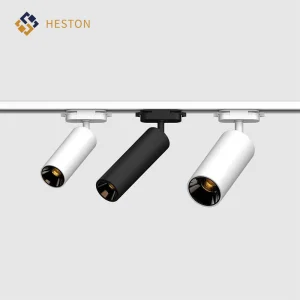
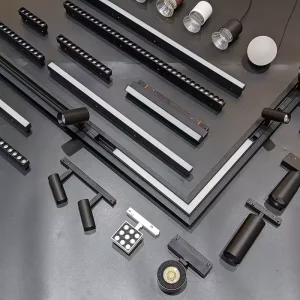
The company regularly invests in advanced manufacturing systems and product innovation to keep pace with changing market standards. Vactrim offers a comprehensive product portfolio including LED track lights, downlights, spotlights, linear fixtures, and magnetic architectural systems, alongside custom commercial-grade solar lighting solutions.
Our management and technical teams possess 10–15 years of industry experience across engineering, quality assurance, logistics, and international commerce. This expertise allows us to provide dependable project support and OEM/ODM services to buyers worldwide.
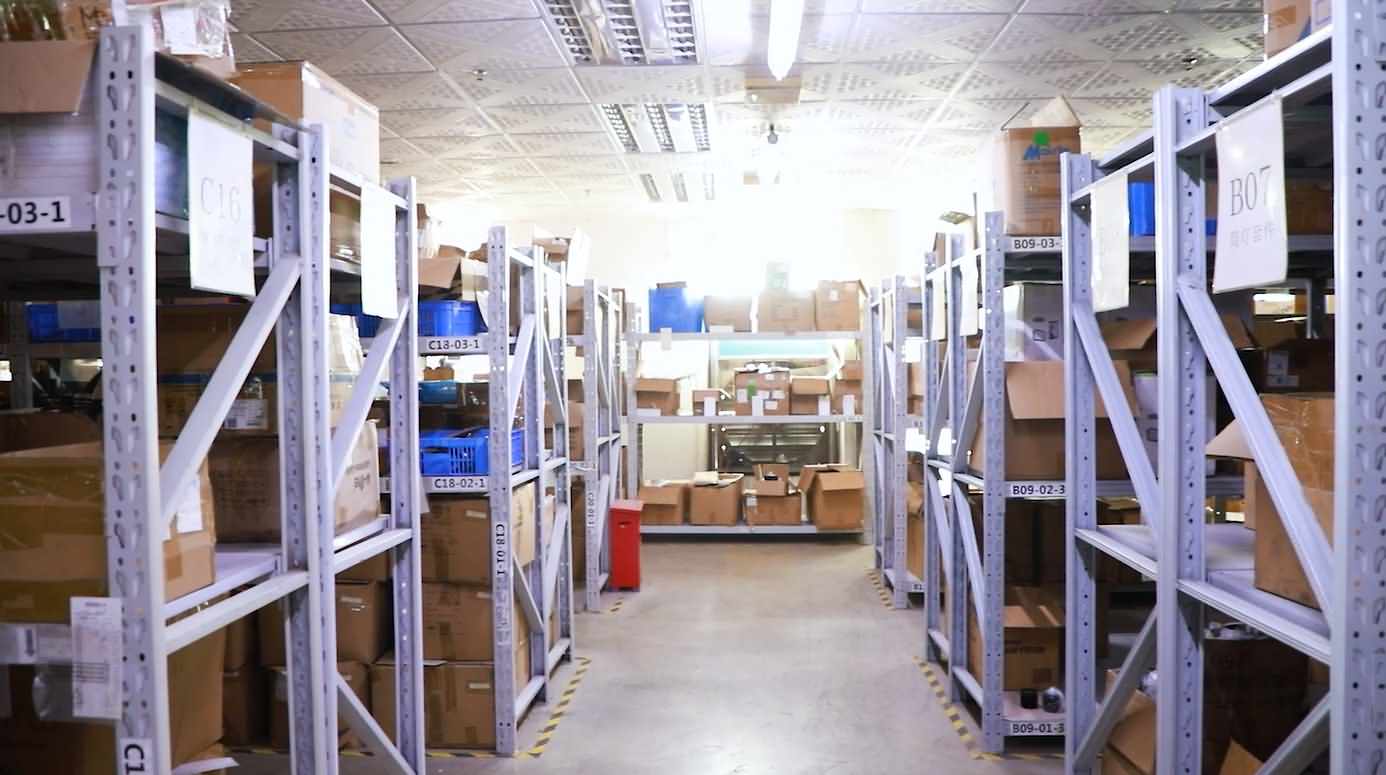
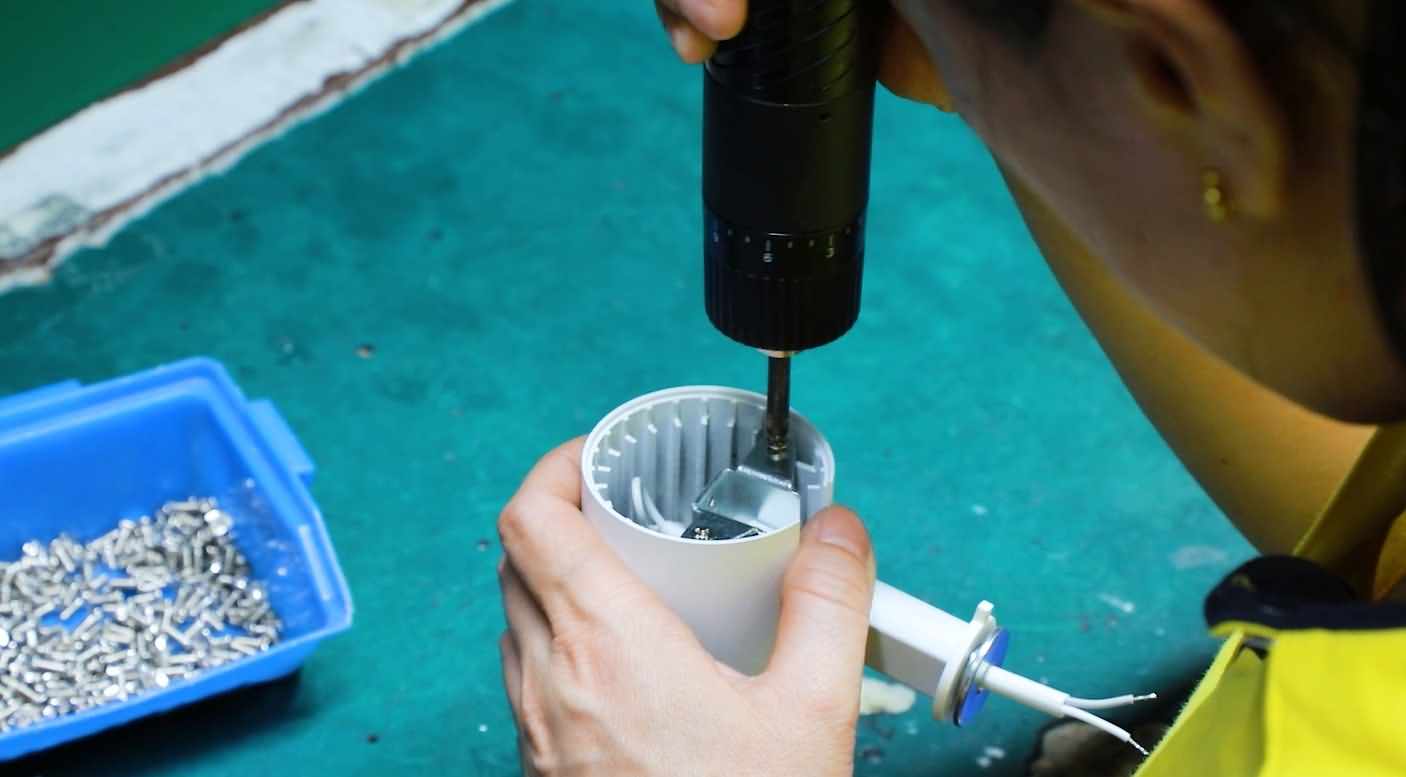
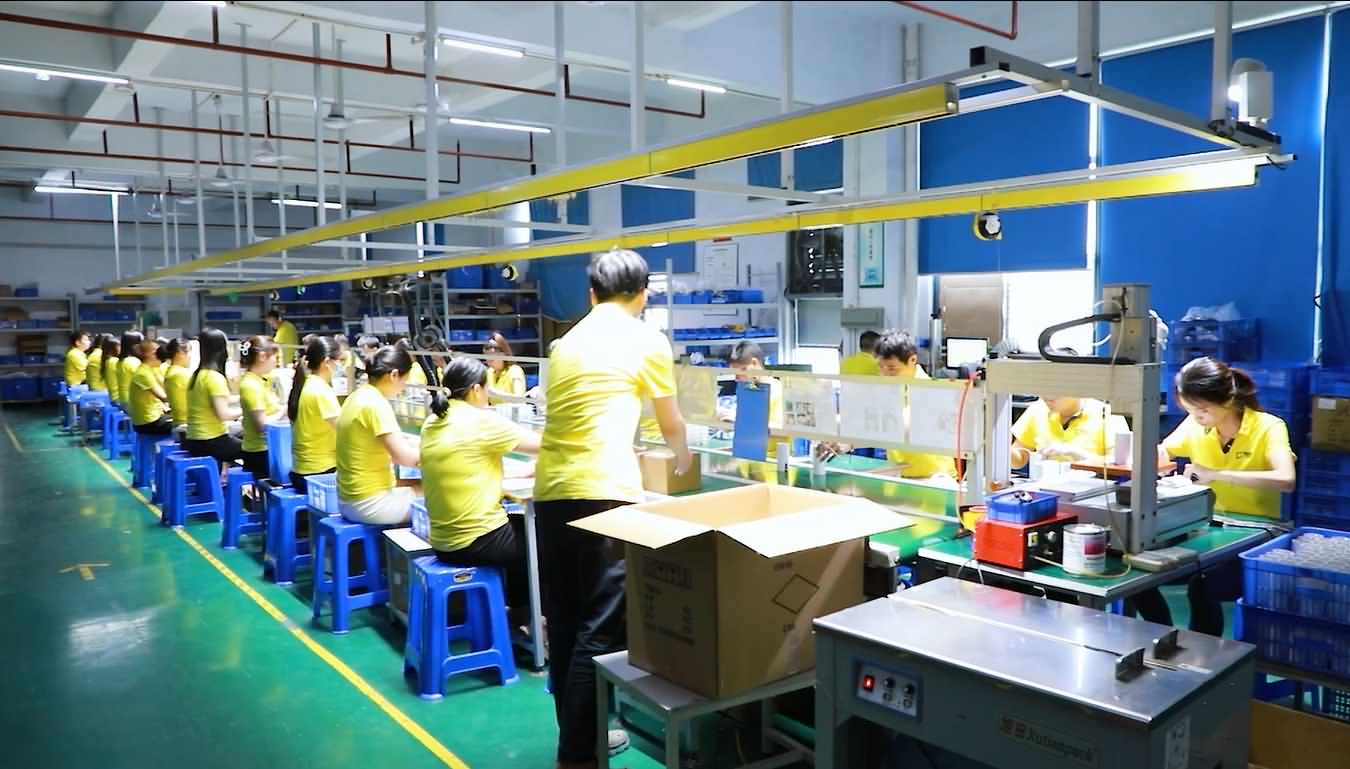
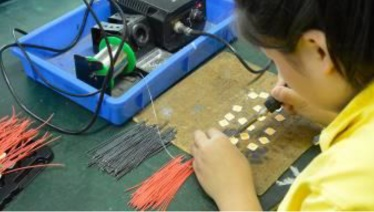
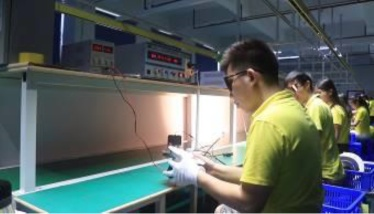
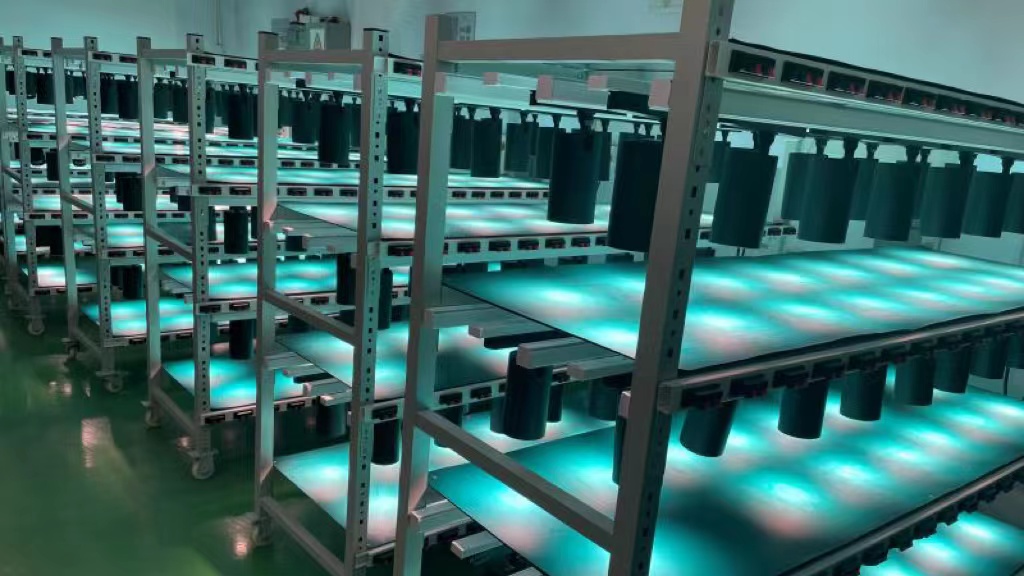
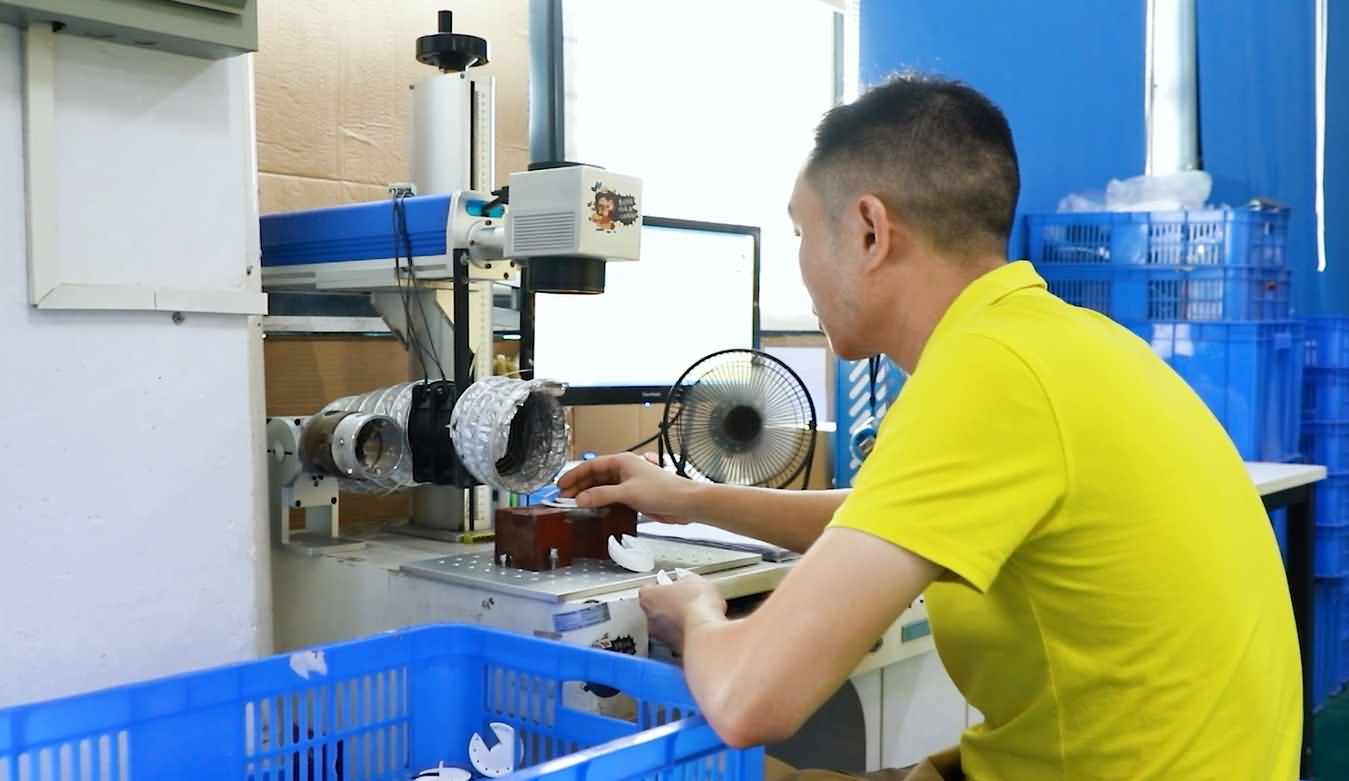
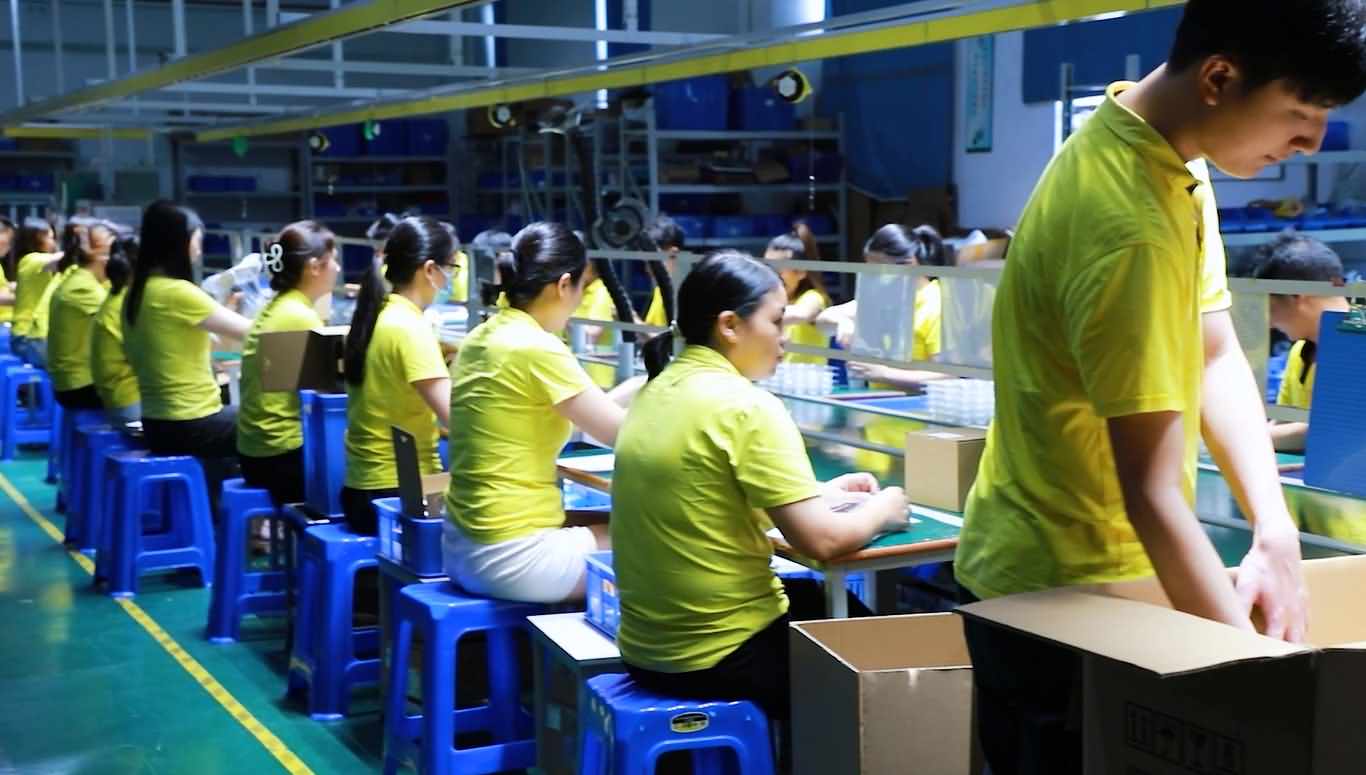
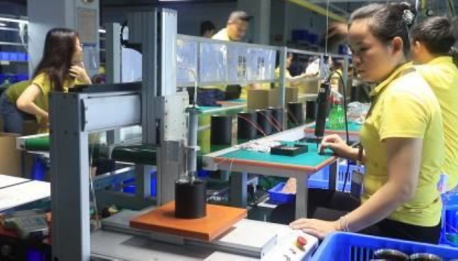
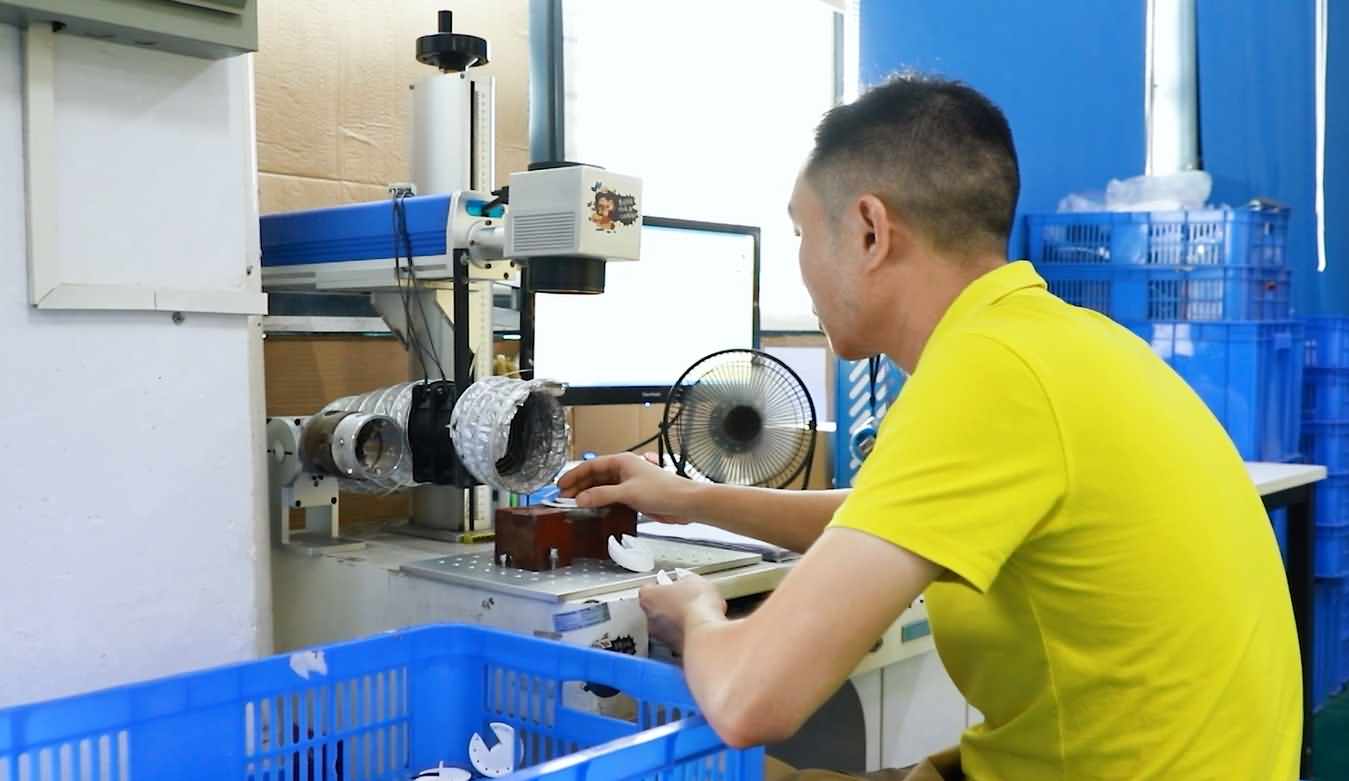
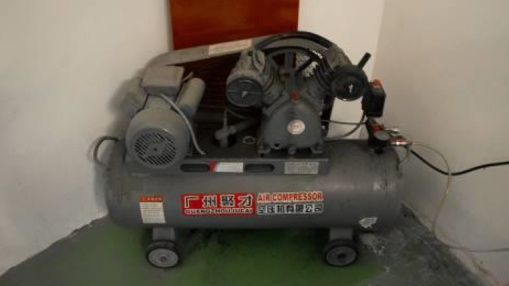
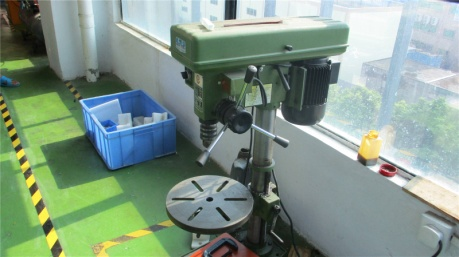
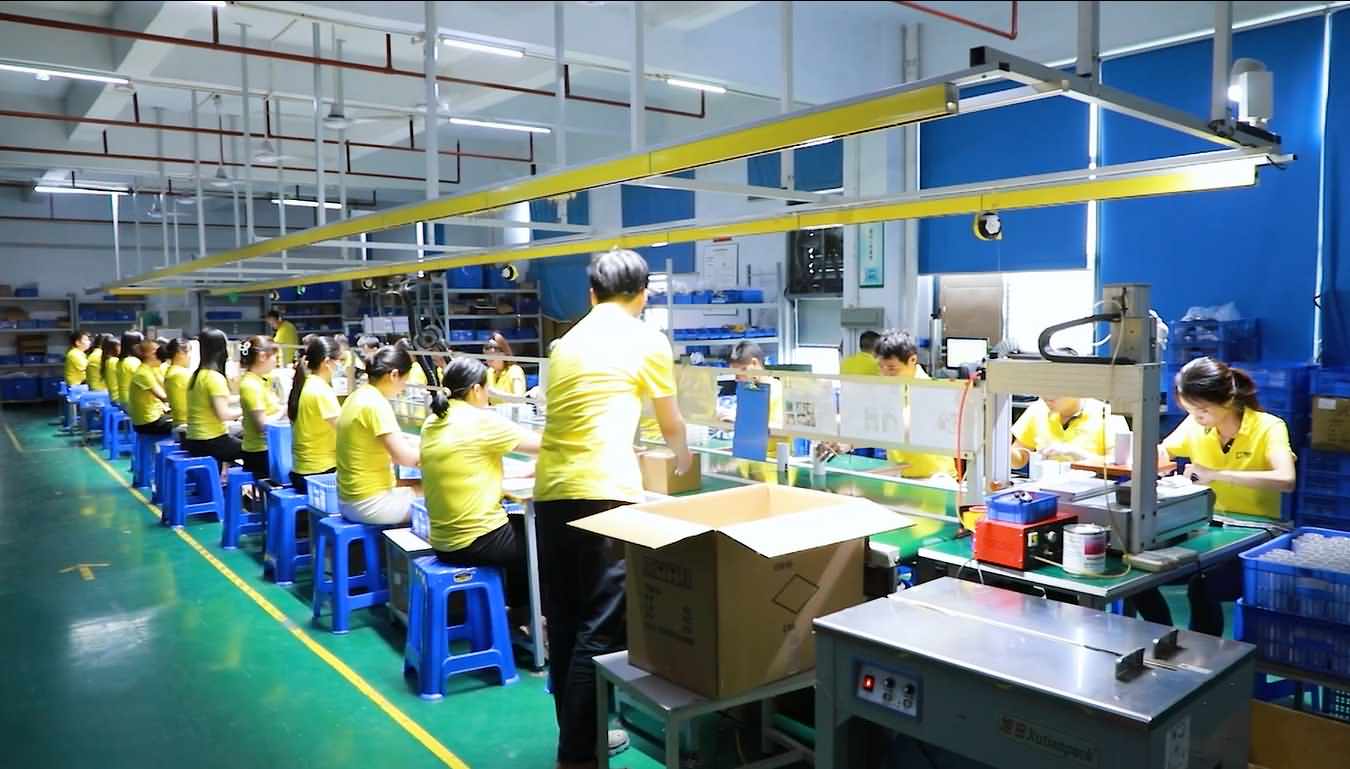
An inside look at our manufacturing workflow, showcasing the systematic quality controls, automated machinery, and testing stages applied to every product.
Comparing mainstream energy storage chemistries utilized by top manufacturers for commercial and municipal outdoor applications.
| Battery Chemistry | Cycle Life (80% DoD) | Thermal Stability Range | Energy Density | Safety Profile | Typical Application |
|---|---|---|---|---|---|
| Lithium Iron Phosphate (LiFePO4) | 3,000 - 6,000 Cycles | -20°C to +65°C | 120 - 160 Wh/kg | High (Low thermal runaway risk) | Municipal street lights, heavy industrial yards |
| Sodium-Ion (Na-Ion) | 2,000 - 3,000 Cycles | -40°C to +60°C | 100 - 120 Wh/kg | Very High (Stable chemistry) | Extreme cold climates, high-latitude regions |
| Ternary Lithium (NMC) | 800 - 1,500 Cycles | -20°C to +55°C | 200 - 250 Wh/kg | Moderate (Active BMS required) | Ultra-compact integrated residential smart fixtures |
Experimental designs are moving toward tandem solar cell technology, pushing conversion efficiencies beyond 28%. This allows for smaller PV panels while generating the same daily power.
Modern solar street lights incorporate LoRaWAN or Zigbee nodes. This allows municipal operators to adjust dimming schedules, monitor battery health, and diagnose driver faults from a single dashboard.
Newer MPPT controllers use machine learning algorithms to analyze historical weather patterns. They automatically adjust power output during extended rainy periods to prevent system shutdowns.
Different commercial settings require specialized configurations to balance initial cost and long-term durability.
Municipal projects require continuous lumen output (typically 8,000–12,000 lumens) and long autonomous runtimes (3–5 rainy days). Systems use high-capacity LFP batteries, hot-dip galvanized steel poles, and precise optics to meet regional safety standards.
Retail operations require reliable lighting to ensure patron safety. Top factories provide solar parking lot lights with integrated microwave motion sensors. These sensors save energy by maintaining a 20% dim level until movement is detected.
Harbors and coastal areas present harsh conditions for solar fixtures. Leading manufacturers supply lights with grade 316 stainless steel components, polycarbonate lenses, IP67 or IP68 ratings, and C5-M anti-corrosion finishes.
How the South China manufacturing clusters enable cost control, quality stability, and rapid customization.
Guangdong province operates as a major global hub for LED lighting and photovoltaic manufacturing. The concentration of component producers—spanning driver manufacturers, LED packaging plants, injection molding facilities, and metal fabricators—allows factories to secure high-quality raw materials with minimal lead times.
Top factories utilize automated assembly machinery to keep costs competitive while maintaining precision. Solder paste printers, high-speed chip placers, automated optical inspection (AOI) stations, and laser markers reduce human error and ensure consistency across large production runs.
Furthermore, local engineering teams can modify product designs rapidly. If a client needs a custom mounting bracket, a specific optical distribution, or a modified BMS firmware, local manufacturers can prototype, test, and begin production in a fraction of the time required by overseas competitors.
A summary of the primary safety and performance certifications required for importing commercial solar LED lighting products.
Confirms compliance with European health, safety, and environmental protection standards. ENEC provides independent third-party verification of fixtures and operational drivers.
Verifies compliance with electrical safety standards, which is essential for entering Australian, New Zealand, and European markets.
Certifies that the solar engine, low-voltage driver, and battery storage unit comply with UL 1598, UL 8750, and UL 2108 safety standards.
Ensures compliance with specific technical regulations for Middle Eastern markets, verifying that fixtures operate reliably under high ambient temperatures.
Confirms that products contain no hazardous materials, simplifying disposal and recycling at the end of their service life.
Common questions answered by our engineering and product development teams.
Using A-grade LiFePO4 batteries, the system can run for 3,000 to 5,000 cycles before capacity drops to 80% of its original rating. Under typical operational loads and thermal conditions, this translates to a service life of 8 to 10 years.
Modern commercial fixtures use MPPT controllers and intelligent power management. These systems detect low charge levels and dim the light output, allowing the battery to power the fixture for 3 to 5 consecutive cloudy days.
MPPT controllers track the solar panel's peak output voltage in real time. They typically harvest 20% to 30% more energy than PWM controllers, which is particularly beneficial in fluctuating weather conditions.
Yes. Many leading factories, including Vactrim, offer customization options for optical lens angles, battery capacities, PV panel sizing, color rendering index (CRI), and integrated IoT smart control protocols.
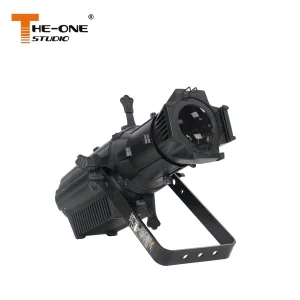
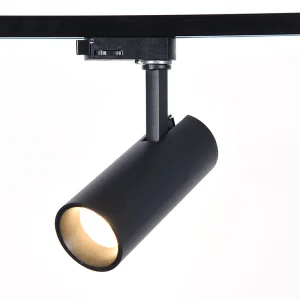
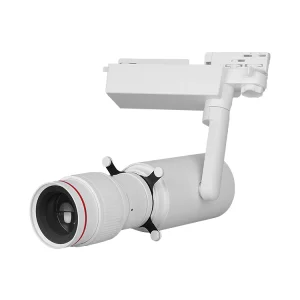
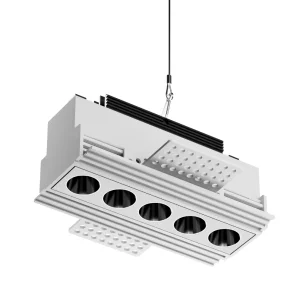
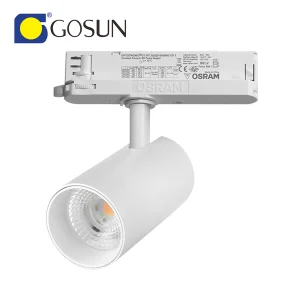
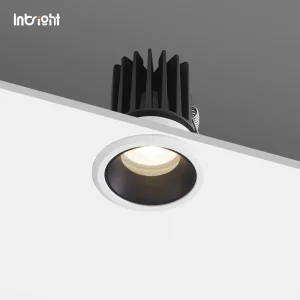
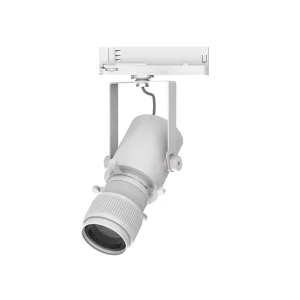
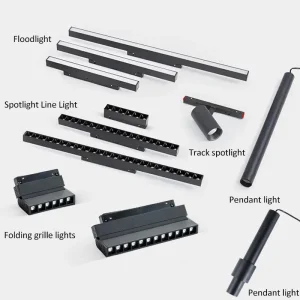
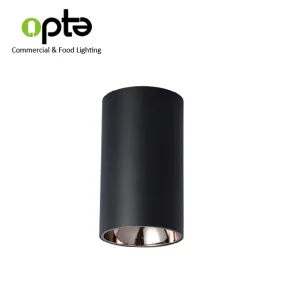
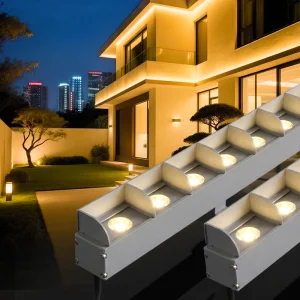
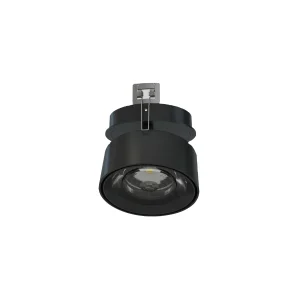
A selection of products designed for museums, high-end retail spaces, commercial complexes, and exterior structural lighting.