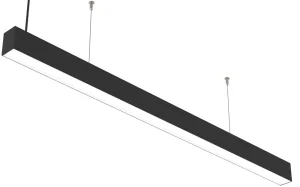
Vactrim Light
Vactrim Light
Vactrim Light
Discover our high-efficiency product line engineered for seamless integration across commercial properties, administrative offices, and high-performance architectural configurations. Each system combines optimized luminous efficacy with durable drivers.
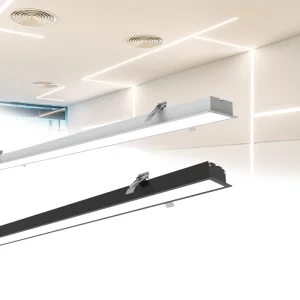
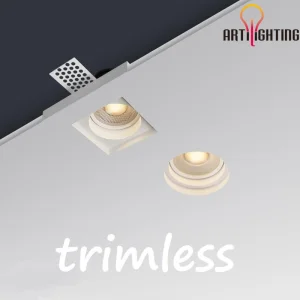
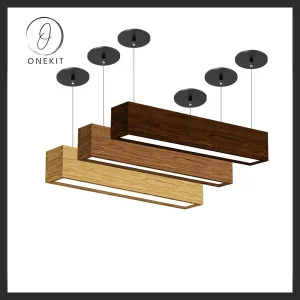
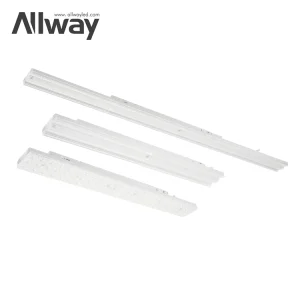
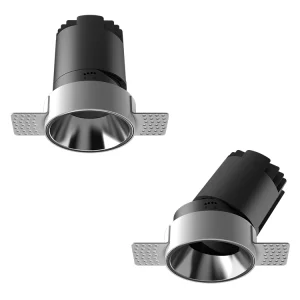
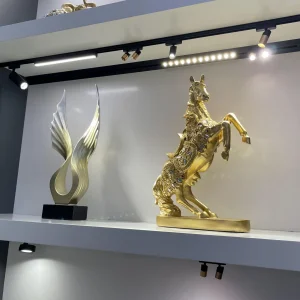
The global market for industrial and commercial outdoor illumination has entered a phase of technological convergence. Driven by rigid energy codes, carbon-neutral compliance, and smart city mandates, the humble floodlight is no longer just a passive light source. Today, high-power exterior luminaires act as the front line for safety, logistics, architectural branding, and facility management across maritime ports, freight airports, sports complexes, and vast distribution hubs.
From an engineering perspective, modern industrial flood lighting demands unprecedented optical precision and thermodynamic stability. Systems must continuously operate under harsh weather conditions, showing resilience against thermal degradation, particulate ingress, and moisture. Traditional high-pressure sodium (HPS) and metal halide (MH) fixtures are rapidly being replaced by specialized LED systems. The value proposition of this migration is clear: a drop of 50–70% in energy consumption, coupled with the virtual elimination of routine relamping cycles that previously cost commercial enterprises millions in crane hire and labor costs.
Furthermore, the evolution of intelligent lighting control networks (DALI-2, DMX512, and wireless IoT meshes) has transformed outdoor luminaires into responsive assets. Municipalities and industrial park operators can now dynamically dim fixtures based on occupancy patterns, astronomical time clocks, or real-time security alerts. This structural shift highlights why selecting a highly qualified OEM/ODM manufacturing partner is critical. Modern procurement teams do not just buy fixtures; they invest in long-term engineering integrity, customized beam distributions, and verified supply chain origins.
The concentration of optoelectronic manufacturing in China—particularly within the Pearl River Delta region of Guangdong—remains unmatched globally. This concentration is not simply due to scale; it is defined by a dense, highly specialized ecosystem that covers every stage of the value chain. Within a 50-kilometer radius, manufacturing facilities can access raw aluminum die-casters, precision optical lens molders, high-speed SMT assembly lines, and internationally certified testing labs. This geographical concentration significantly reduces R&D turnaround times and raw material transit costs.
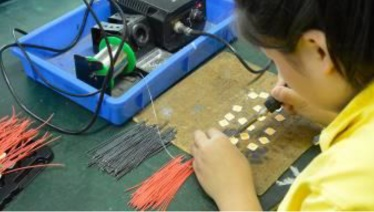
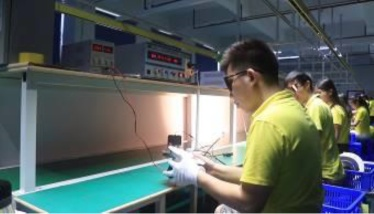
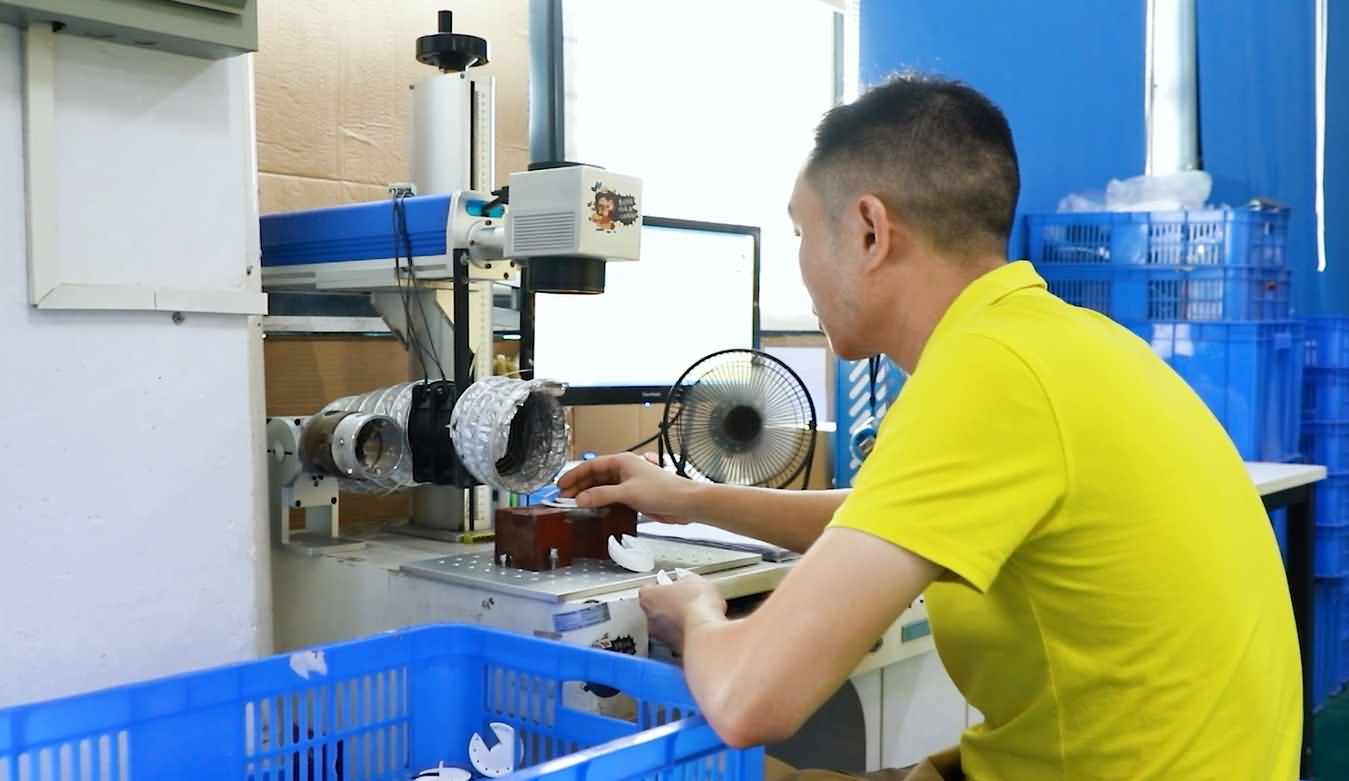
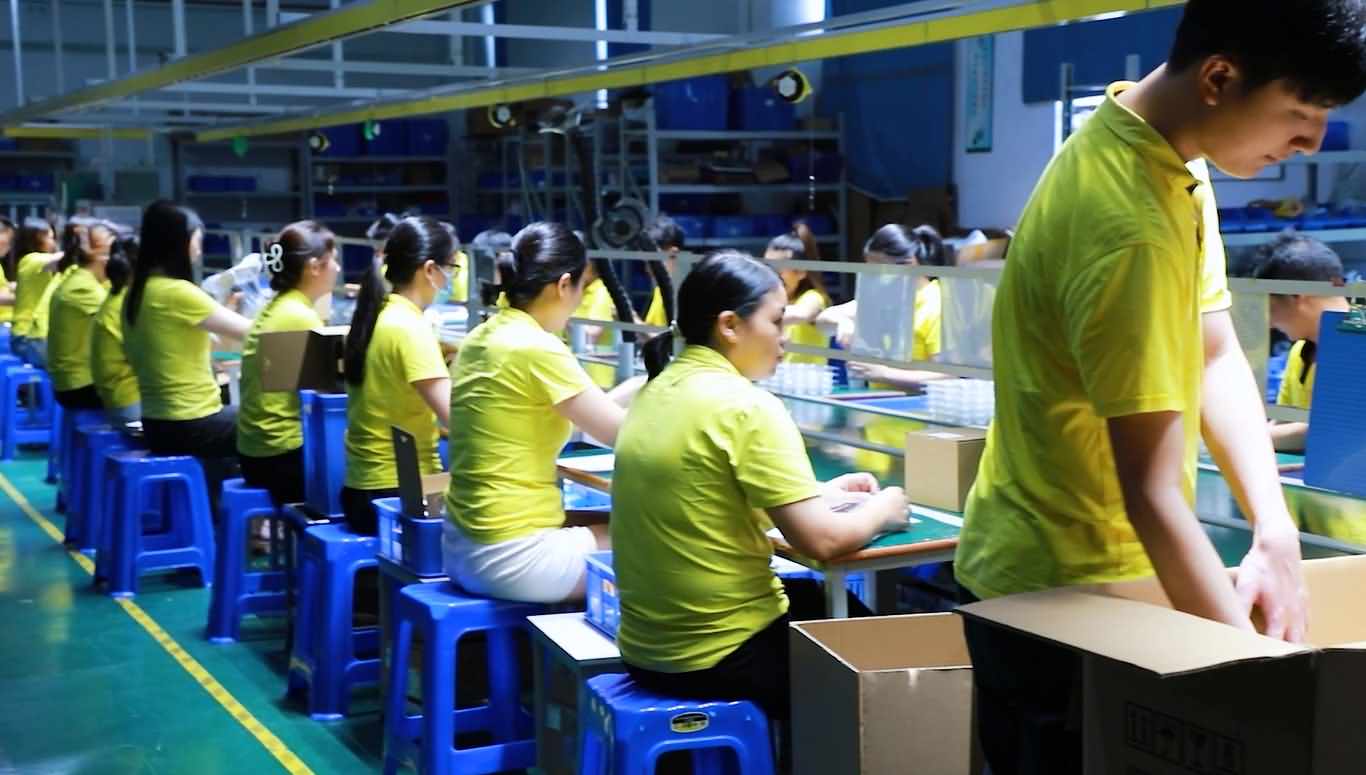
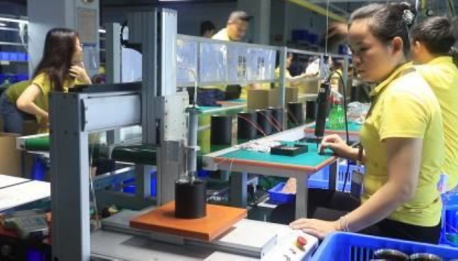
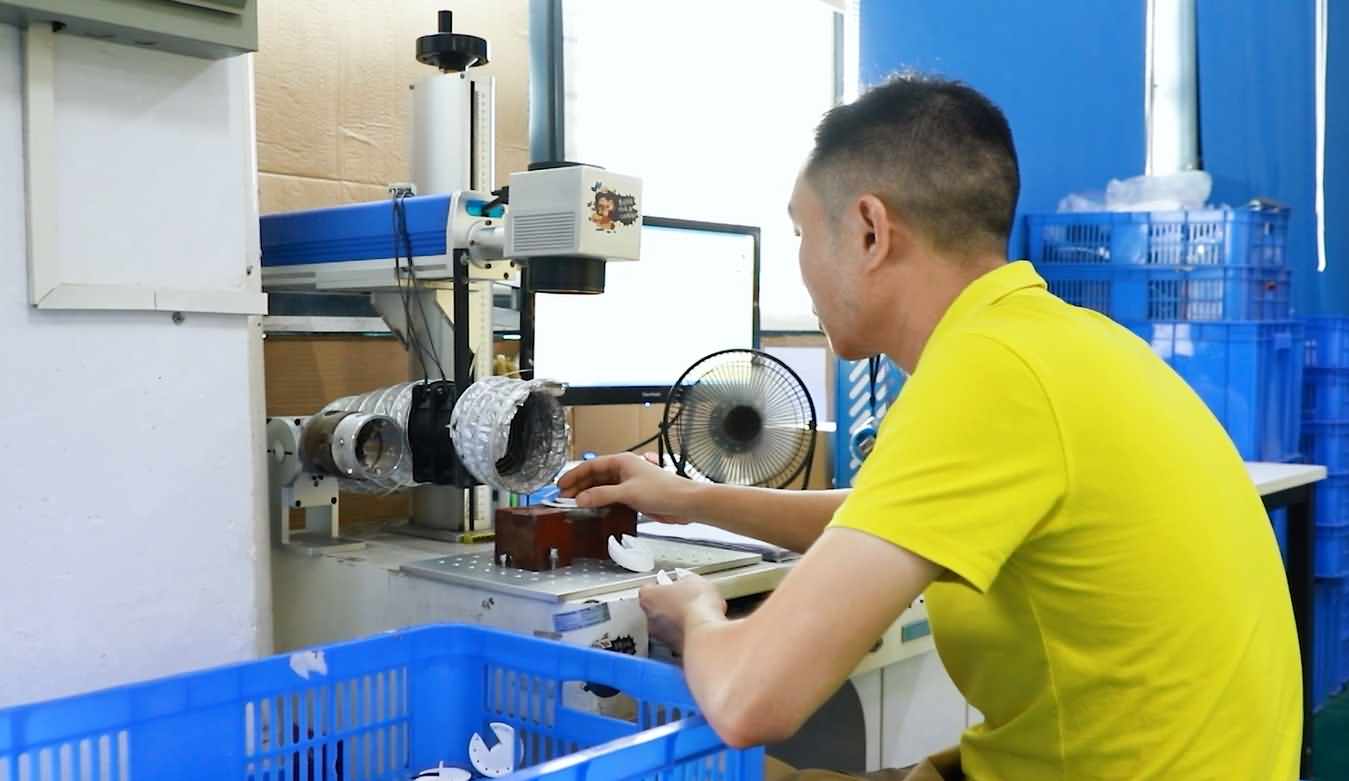
As a leading provider, Guangdong Vactrim Light Co., Ltd. leverages this direct access to optimize cost structures and accelerate delivery schedules. By keeping key production processes in-house—such as automated glue dispensing, precise mechanical assembly, high-temperature soldering, and automated laser marking—we maintain complete control over production schedules and quality standards. Our streamlined supply chain ensures that custom mold developments, thermal simulations, and photometrical reports are completed in days rather than months, giving our international partners a clear competitive edge.
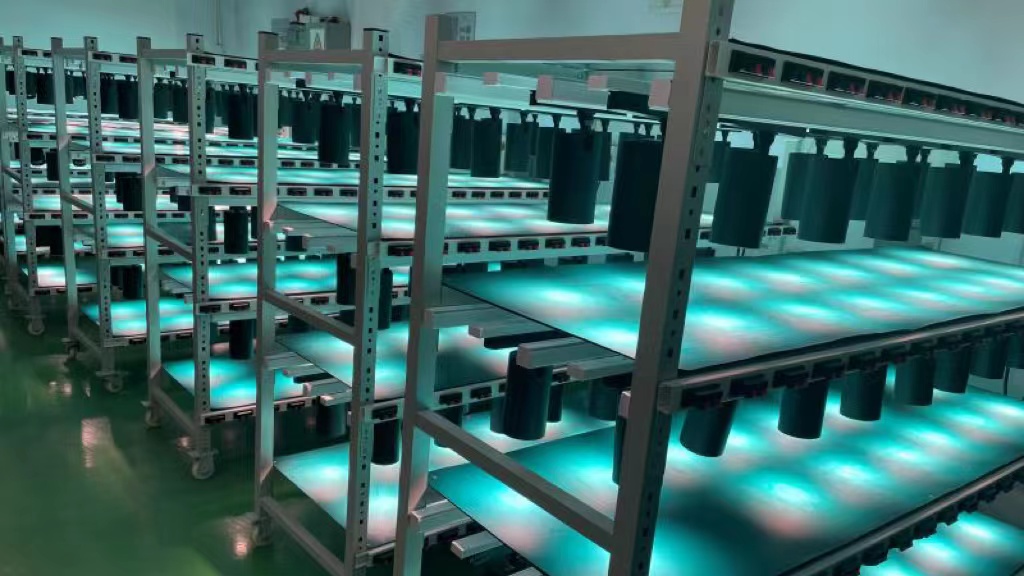
By integrating component sourcing, precision machinery, SMT line operations, and aging tests in a single facility, we eliminate intermediate logistics markups and drastically reduce defect rates.
Standard, off-the-shelf lighting often fails to meet the practical demands of challenging outdoor environments. A true OEM/ODM lighting specialist must design and deliver custom solutions tailored to specific, demanding project conditions. Below are the key scenarios where customized optical solutions make a significant difference:
These locations require heavy-duty floodlights designed to withstand salt spray and constant sea mist. Solutions utilize specialized powder-coated aluminum housings, 316 stainless steel brackets, and asymmetric lenses to direct light precisely onto the dock, avoiding glare for crane operators and incoming cargo vessels.
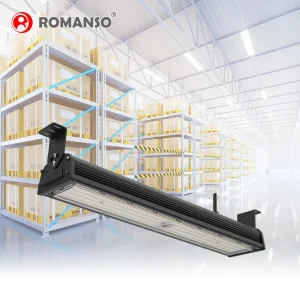
These areas demand uniform horizontal and vertical light distribution between narrow shelving aisles. Utilizing precise, medium-to-narrow beam angles ensures maximum floor illumination while minimizing light waste on upper racking, resulting in both energy savings and safer work conditions.
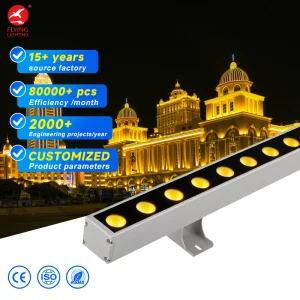
For historic monuments, modern high-rise facades, and bridges, lighting systems must integrate seamlessly with architectural elements. DMX512 dynamic color control, RGBW color mixing, and narrow-spot lenses are utilized to highlight vertical lines and structures while preventing light spill into the night sky.
In the commercial lighting sector, product design cycle times are shortening, and end-user requirements are shifting toward intelligent, sustainable systems. Success in this changing market requires anticipating and designing for these trends:
Standard luminous efficiencies of 120 lm/W are no longer competitive. New industrial bids regularly require 160 lm/W to 180 lm/W system efficacy. Achieving this requires using high-performance LED packages (such as Lumileds, Osram, or Cree) driven at lower current densities to ensure thermal safety and longevity.
Smart integration is moving from a premium option to a standard requirement. Products like our mini-magnetic systems and wall washers integrate wireless protocols (Tuya Smart, Zigbee, Casambi) to support remote configuration, group scheduling, and real-time power monitoring via cloud platforms.
Circular economy policies, particularly within the EU, now mandate that light sources and gear control systems must be replaceable with common tools. Our designs focus on tool-less entry latching and modular driver housings to simplify field service and lower total lifetime cost of ownership.
High luminous intensity can cause debilitating glare. Modern layouts require deep optical cutoffs, honeycombs, and micro-prismatic diffusers to achieve low Unified Glare Ratings (UGR < 19), which help reduce eye fatigue and improve workplace safety in industrial settings.
Founded in 2010, Guangdong Vactrim Light Co., Ltd. is a modern high-tech enterprise specializing in the research, development, design, manufacturing, sales, and service of professional commercial LED lighting solutions. With a strong commitment to innovation, quality, and sustainability, Vactrim has become a trusted partner for customers worldwide in the commercial, industrial, hospitality, retail, and architectural lighting sectors.
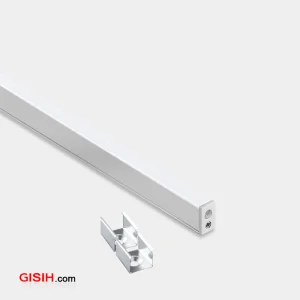
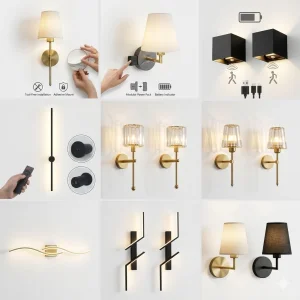
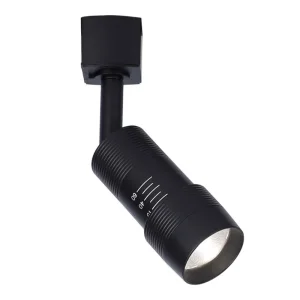
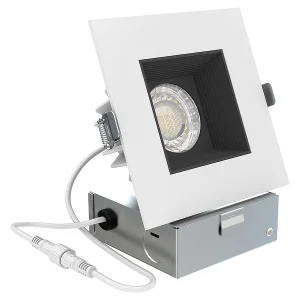
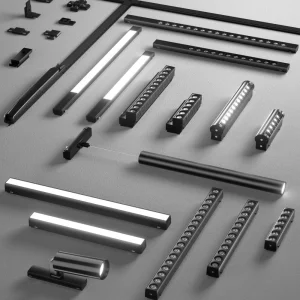
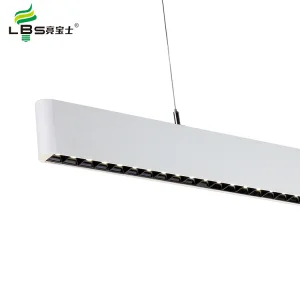
Over the years, Vactrim has continuously invested in advanced technologies, intelligent manufacturing systems, and product innovation to meet the evolving demands of the global lighting market. Our comprehensive product portfolio includes LED track lights, downlights, spotlights, linear lights, magnetic lighting systems, and customized lighting solutions designed to enhance both functionality and visual experience.
Our core management and technical team possesses more than 10–15 years of extensive experience in lighting product development, engineering, procurement, production management, and international business operations. This expertise enables us to provide professional support, efficient project management, and reliable OEM/ODM services for customers around the world.
Guided by the philosophy of "Innovation, Quality, Efficiency, and Customer Satisfaction," Vactrim strives to build long-term partnerships through continuous technological advancement, superior product performance, and exceptional customer service.
Quality is the foundation of Vactrim's sustainable development. The company has established a comprehensive quality management system and has successfully obtained ISO 9001:2015 Quality Management System Certification. Our products comply with international standards and have obtained various certifications, including CE, CB, RoHS, SAA, TUV, SASO, and other market-specific approvals, ensuring smooth access to global markets.
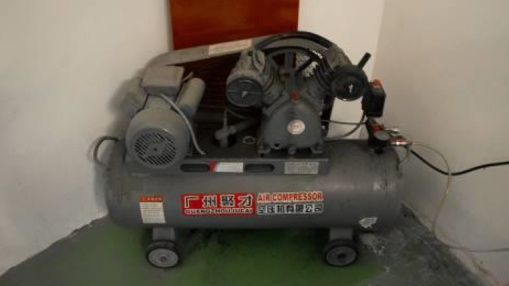
Each stage of our manufacturing process is designed to support the reliability and quality of the final product. Below is an overview of our production stages and machinery:
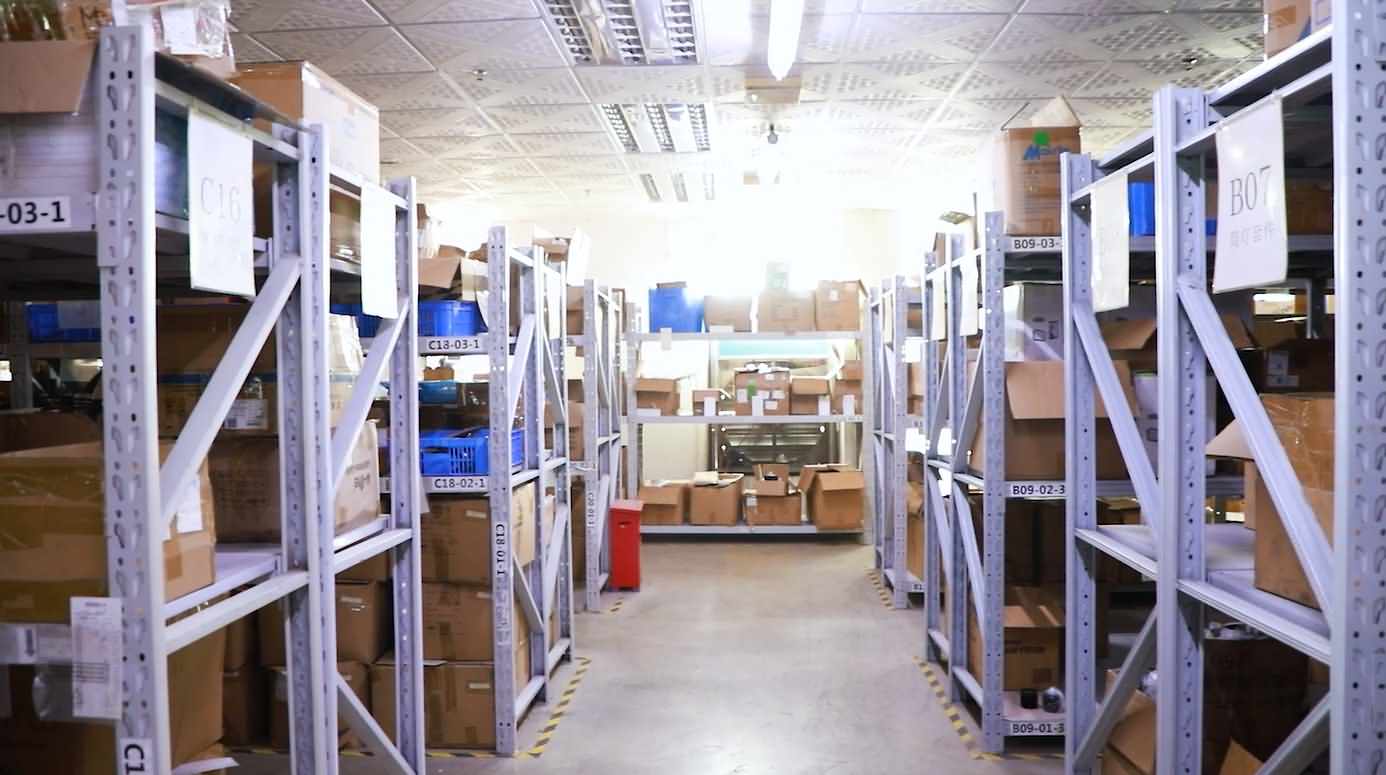
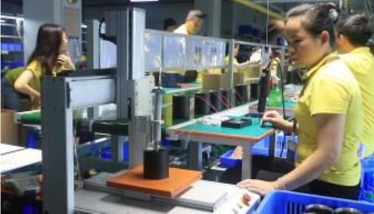
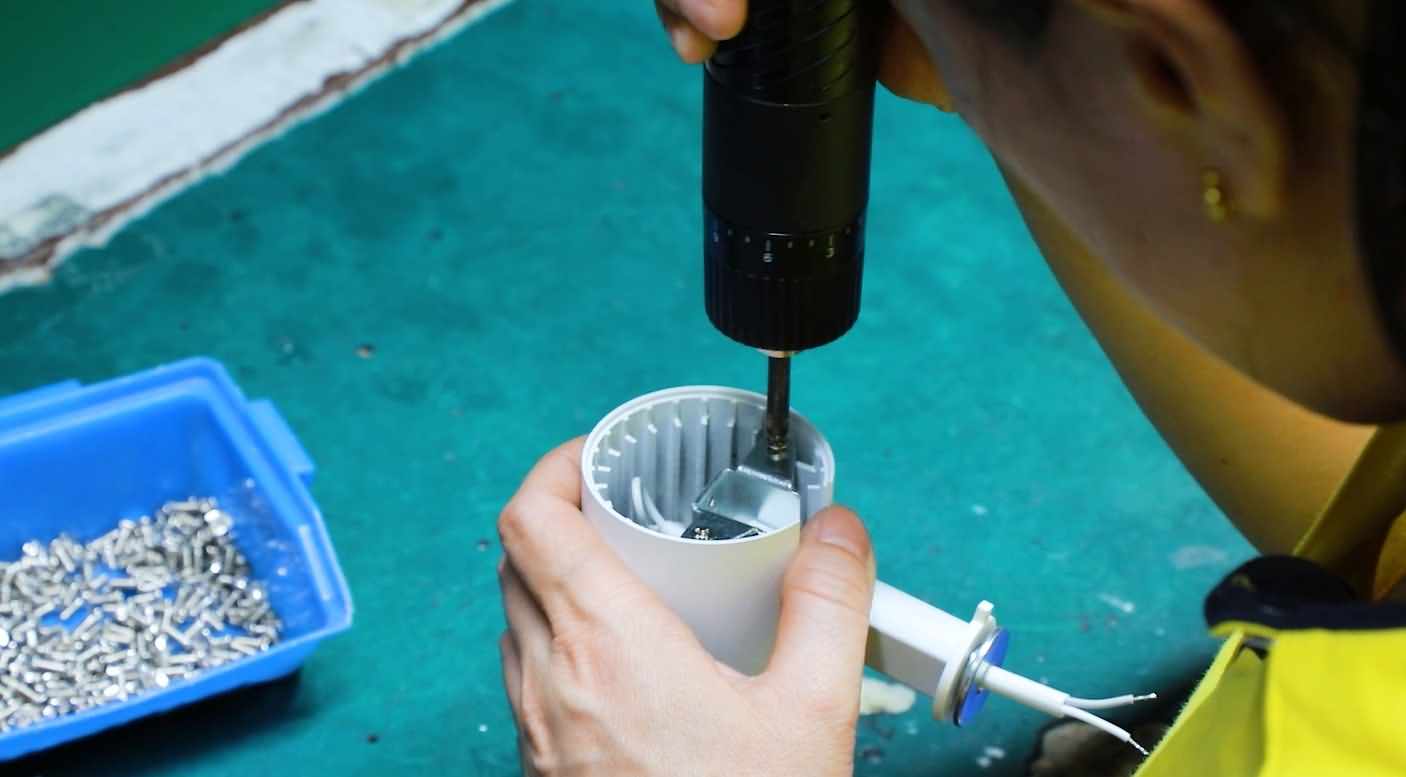
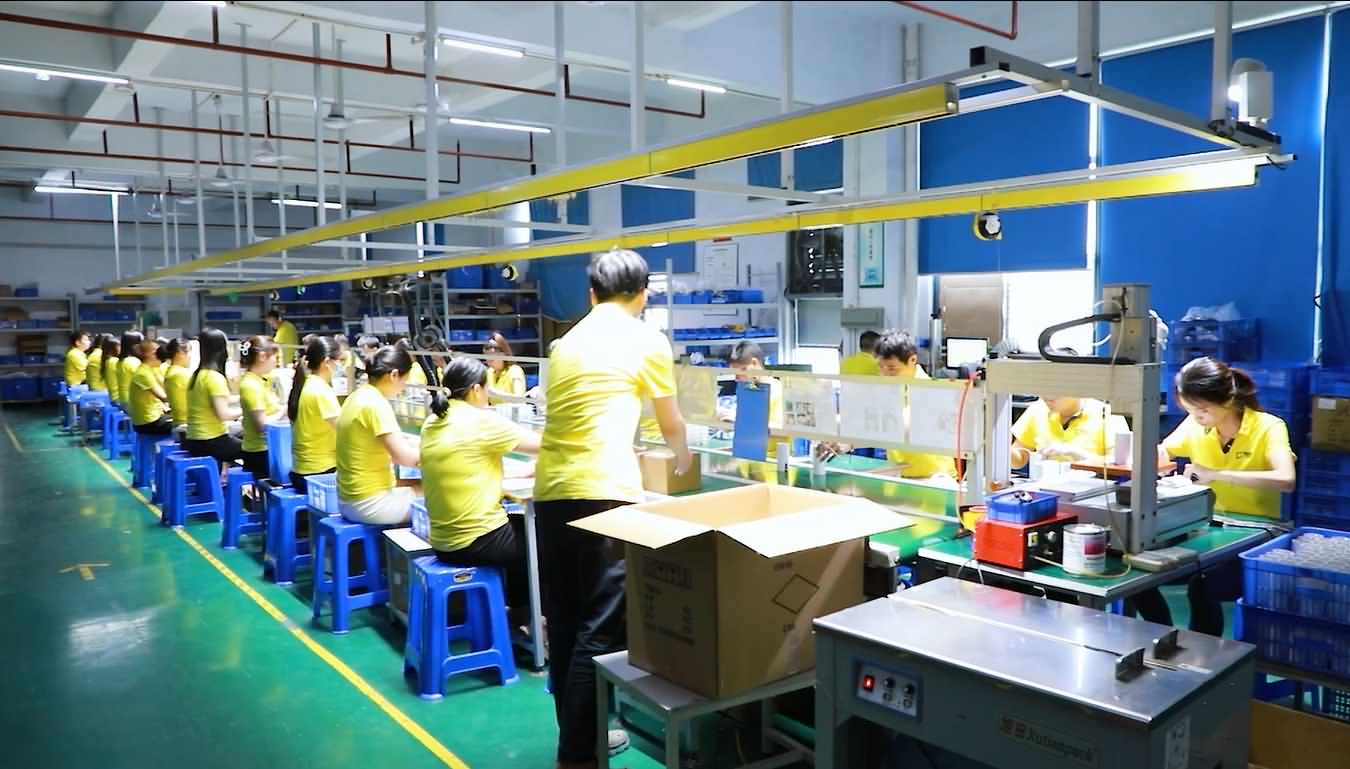
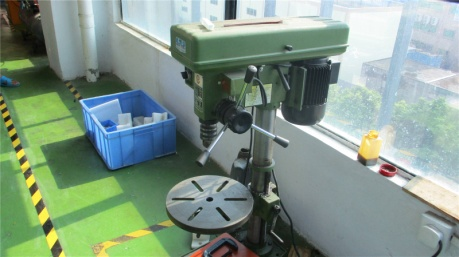
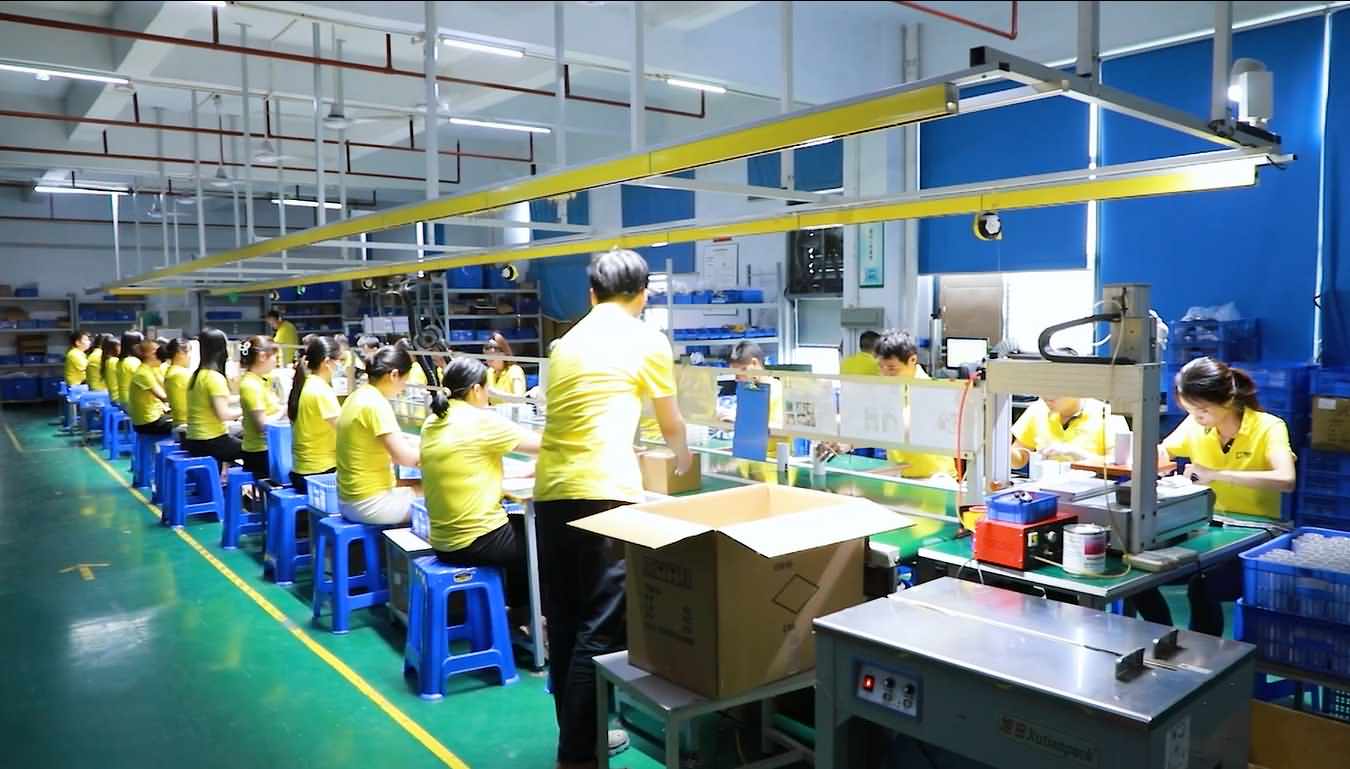
For procurement professionals, engineering departments, and project coordinators, selecting the right industrial light fixtures requires evaluating several critical technical parameters. Below are the key engineering specifications to verify before committing to high-power outdoor luminaire designs:
Drivers are a common failure point in outdoor installations. For industrial applications, ensure drivers offer a Power Factor (PF) > 0.95 and Total Harmonic Distortion (THD) < 10%. Specify surge protection levels of at least 10kV (line-to-earth) to protect against transient voltages and lightning strikes.
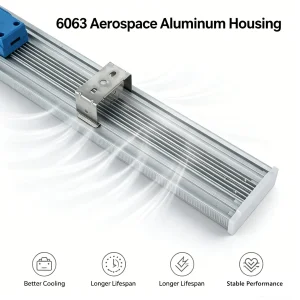
High power generates significant heat. Ensure the heat sink is designed to keep the LED junction temperature ($T_j$) below 85°C when operating at a 40°C ambient temperature. Look for multi-channel convective channels or extruded 6063-T5 aluminum bodies to support optimal heat dissipation.
Outdoor fixtures face intense UV exposure, which can yellow polycarbonate lenses and reduce light transmission. Standard systems should feature high-purity, UV-stabilized optical lenses or tempered, shock-resistant borosilicate glass covers to maintain light output over time.
Below are answers to common technical and logistical questions from engineering and procurement professionals planning commercial or industrial lighting projects:
Explore additional professional-grade solutions, including high-output bay lights, smart magnetic tracks, and customizable wall washers designed to meet high efficiency and performance standards.