Vactrim Light
Vactrim Light
Vactrim Light
Engineered for architectural elegance, commercial efficiency, and high ingress protection in diverse operating environments.
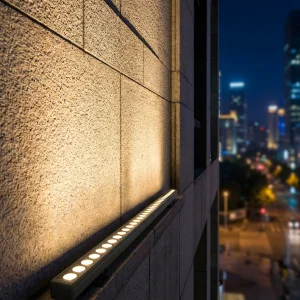
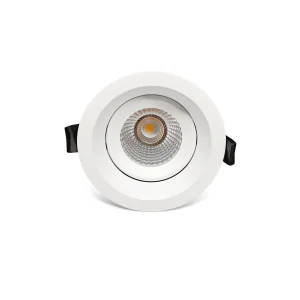
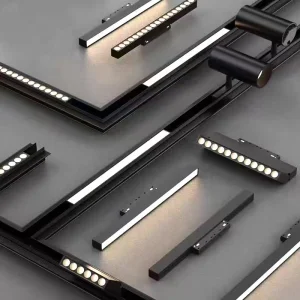
Evaluating performance parameters, engineering standards, and market dynamics for harsh architectural and industrial environments.
Modern architectural and industrial projects require lighting fixtures capable of withstanding extreme environmental degradation. Whether dealing with moisture ingress, chemical corrosion, salt-spray exposure, or sub-zero temperature differentials, selecting the right weatherproof LED fixture supplier is paramount. In this industry white paper, we explore the structural and electrical characteristics that define world-class weatherproof luminaires. We analyze critical specifications, global compliance matrices, and the regional supply chain efficiency that positions South China as the epicenter of commercial and industrial lighting innovation.
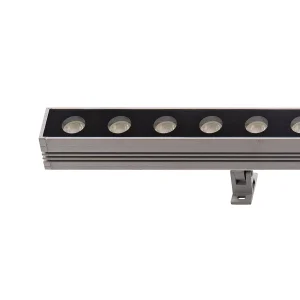
When engineering lighting systems for outdoors or challenging indoor spaces (like high-pressure washdown facilities, chemical labs, and transportation corridors), standard commercial fixtures fail prematurely. Weatherproof LED lighting is categorized by its Ingress Protection (IP) ratings governed by IEC 60529. Standard external linear washers and neon strip lights require a minimum of IP65 or IP67 protection, ensuring defense against dust ingress and high-pressure water jets or temporary submersion.
Furthermore, mechanical resilience (IK rating) defines a fixture's capacity to absorb physical impacts without structural compromise. Premium architectural fixtures employ extruded anodized aluminum (6063-T5) or high-impact polycarbonate (PC) housings to achieve IK08 to IK10 ratings. This prevents housing degradation under heavy wind loads, falling debris, or seismic tremors.
A common failure mechanism in outdoor linear lights and wall washers is the "breathing effect." As the LED array powers on, internal temperatures rise, causing internal air to expand. When powered off, cooling creates a partial vacuum, pulling humid ambient air inside. Over time, this leads to condensation, electrical shorting, and lumen depreciation. Premium manufacturers prevent this by integrating hydrophobic breathing valves (e.g., Gore vents) to equalize pressure without letting liquid water bypass seals.
Sealing a fixture to protect it from weather restricts airflow and convective cooling. Heat must be dissipated entirely through conduction and radiation. Therefore, the design of the aluminum heat sink, thermal interface materials (TIM), and the driving current must be meticulously optimized. Leading factories utilize multi-layered thermal simulations (FEA) to keep the junction temperature (Tj) of high-brightness COB and SMD LED chips well below 85°C at an ambient temperature of 40°C. This thermal efficiency is crucial for maintaining color rendering index (CRI >90/95) and minimizing color shift over a 50,000-hour service life.
Real-world deployments requiring targeted, high-performance structural configurations.
In marine environments, salinity accelerates electrochemical corrosion (galvanic corrosion). Fixtures like exterior linear wall washers require C5-M marine-grade anti-corrosion powder coatings, 316 stainless steel brackets, and silicone gasket formulations resistant to salt fog degradation.
Cold-storage operations experience temperatures ranging from -20°C to -40°C. Weatherproof luminaires deployed here must utilize low-temperature rated drivers (constant current) and specialized housing gaskets that retain elasticity at sub-zero temperatures without cracking.
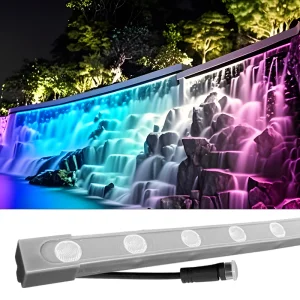
High-brightness RGBW DMX512 wall washers and neon strip lights are heavily utilized to outline architectural building profiles. These systems must support robust control protocols, maintain color consistency, and endure direct ultraviolet (UV) radiation without yellowing.
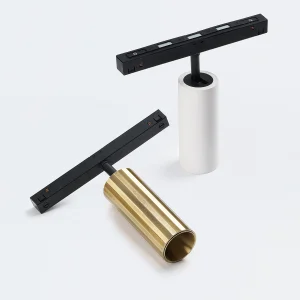
Subway stations, airports, and semi-outdoor parking structures demand continuous illumination. Using smart dimmable magnetic track lights and DALI/Tuya protocol-enabled downlights allows hubs to adjust lighting dynamically based on occupancy and ambient daylight.
How vertical integration, advanced machinery, and rigid testing protocols ensure global cost-competitiveness and rapid delivery cycles.
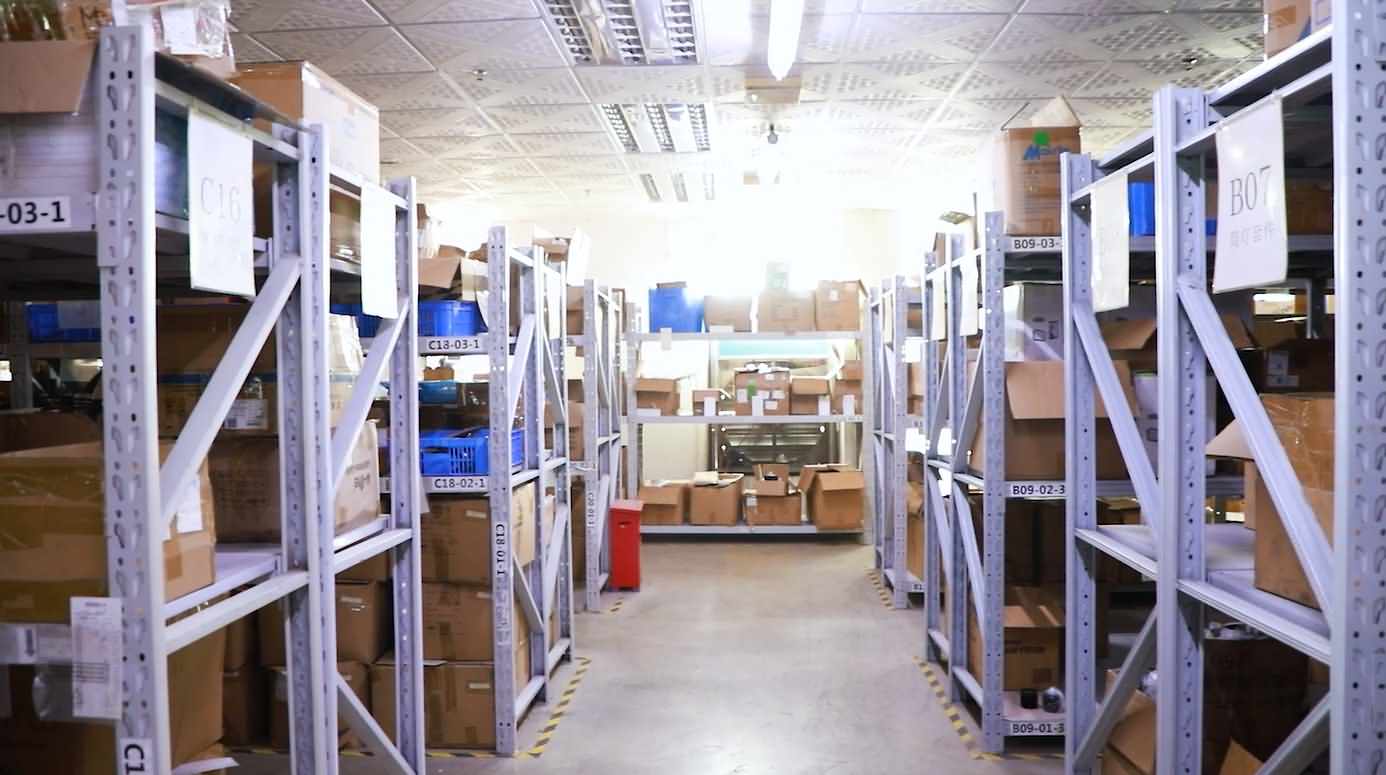
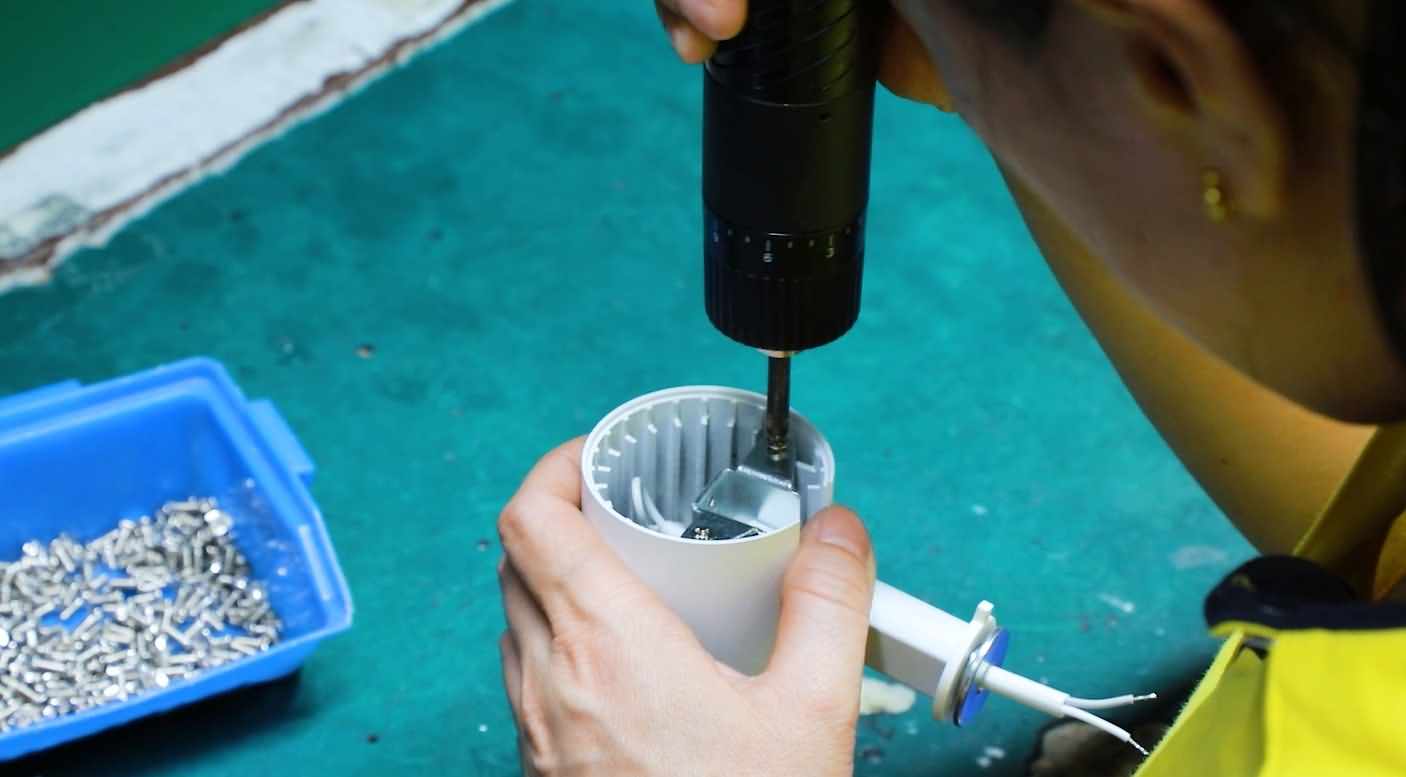
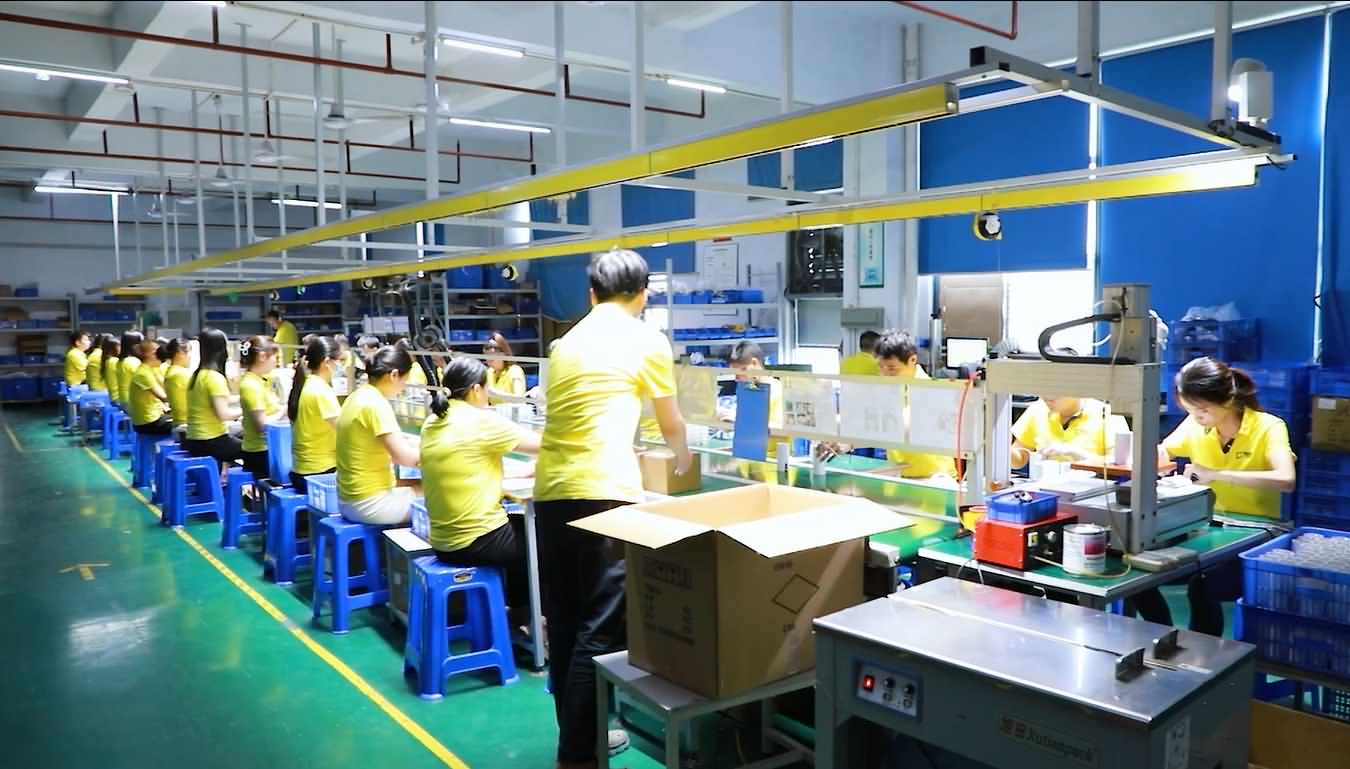
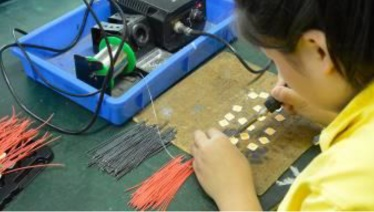
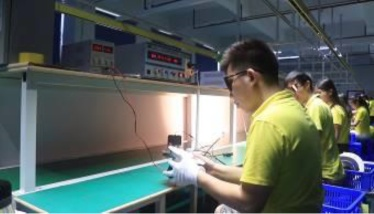
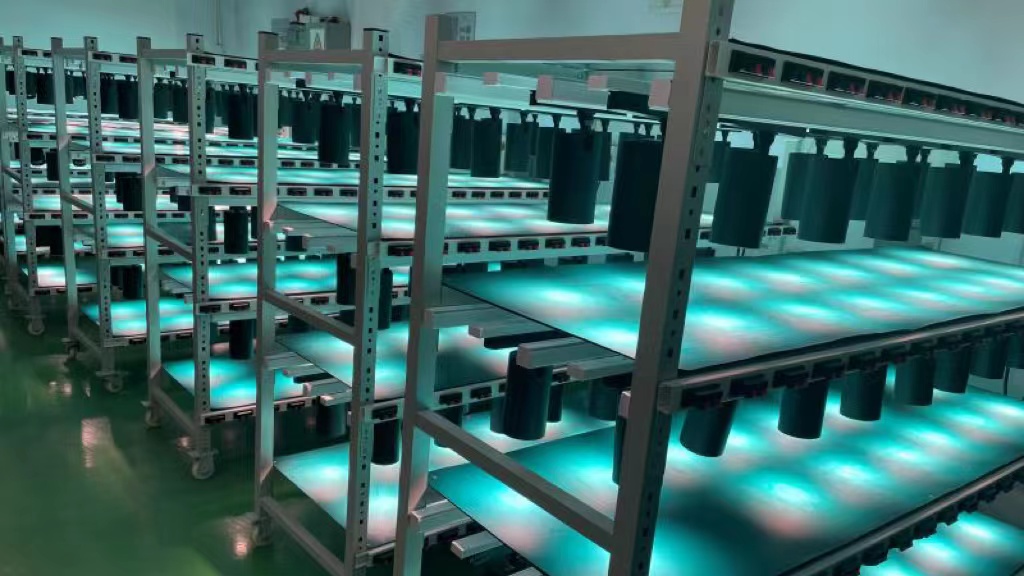
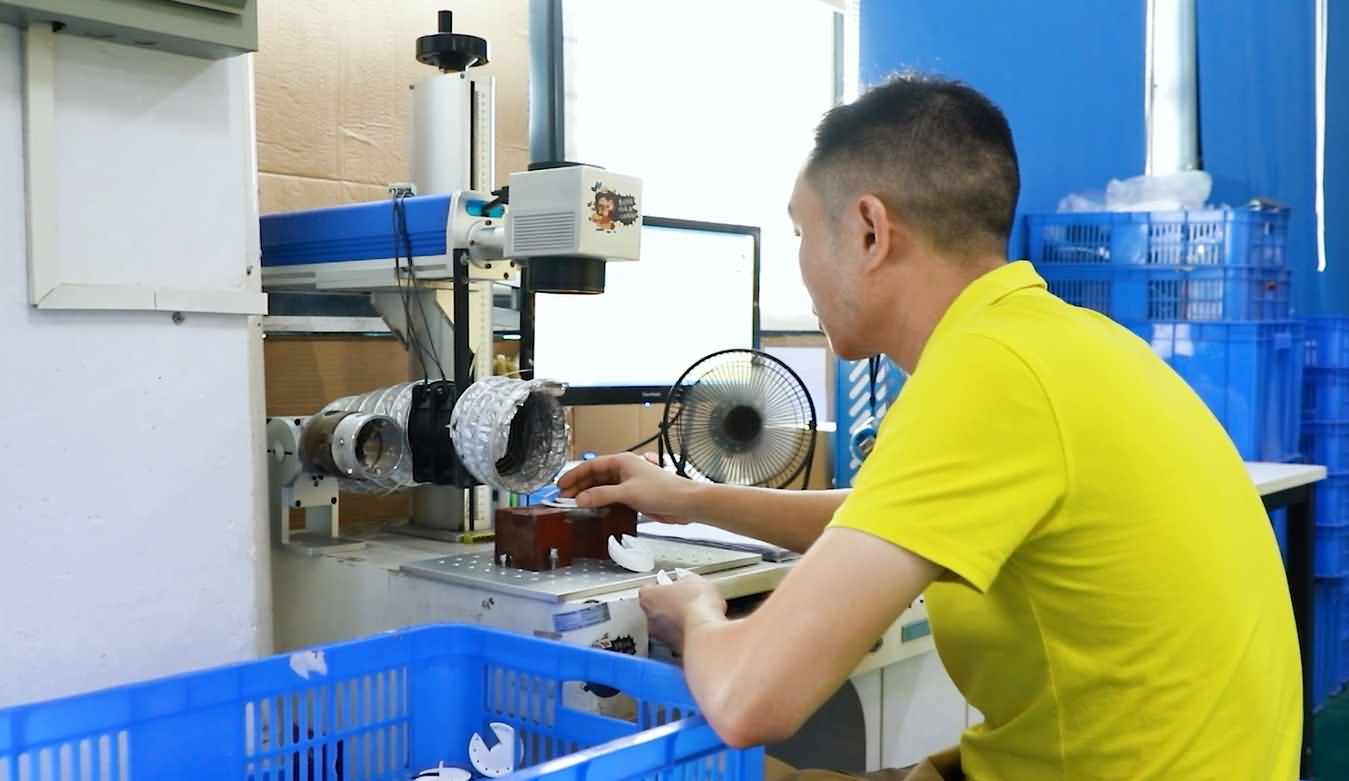
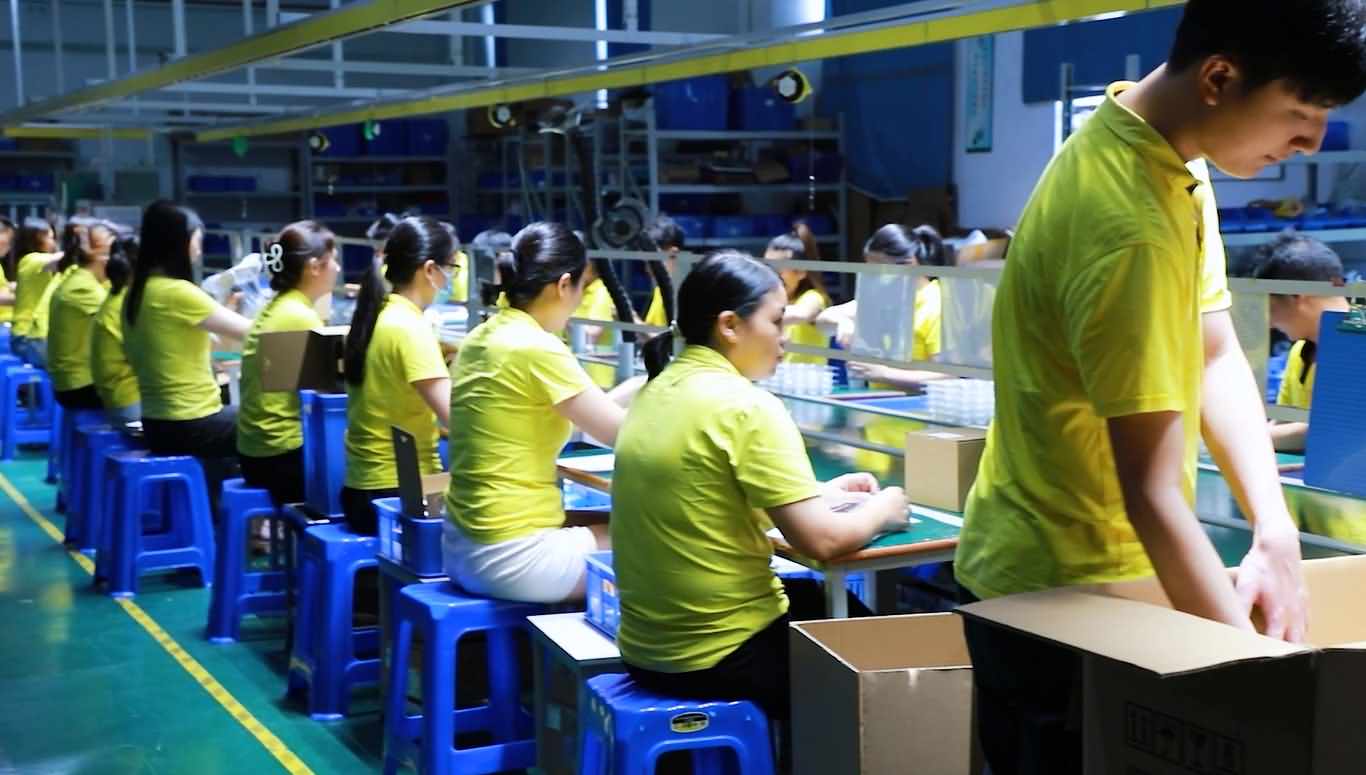
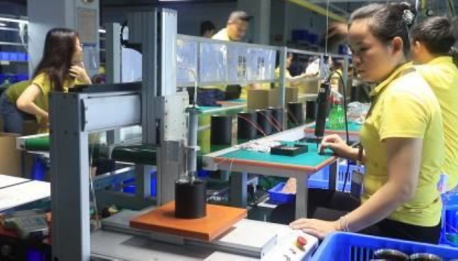
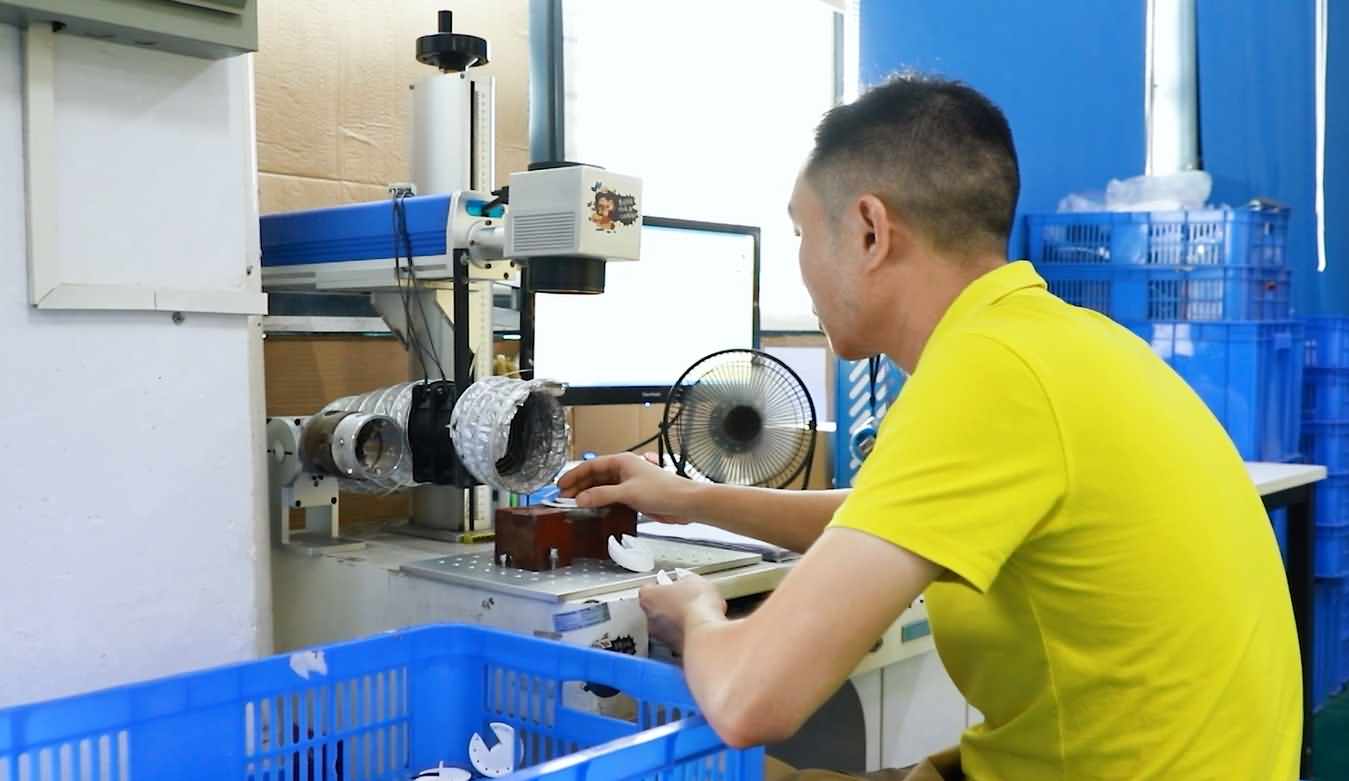
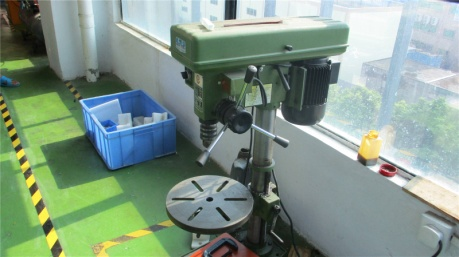
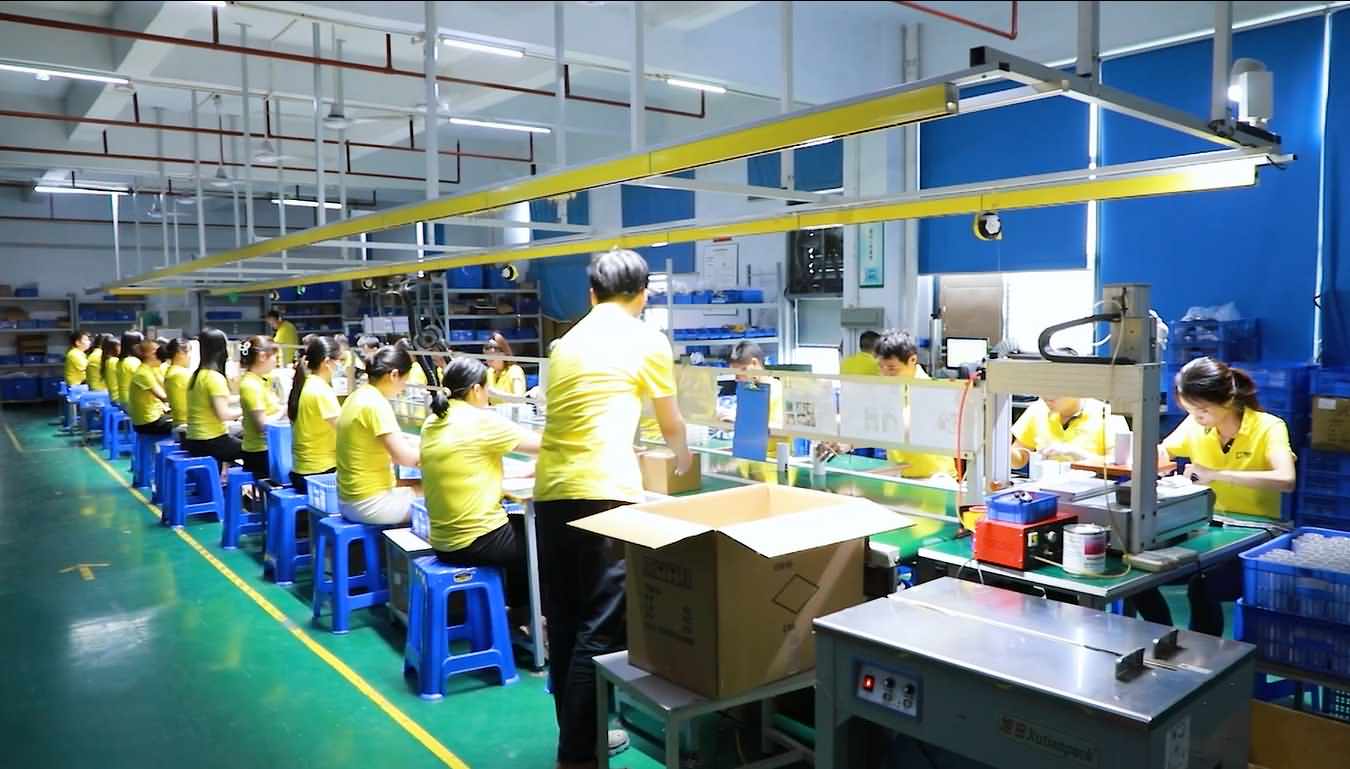
The Pearl River Delta, centered around Guangdong, represents the most vertically integrated lighting cluster globally. From raw materials extrusion to advanced CNC machining, SMT chip placement, and automatic glue dispensing, the local supply chain enables rapid prototyping and short lead times. By utilizing local raw material sourcing, automated processing, and comprehensive aging protocols, factories like Guangdong Vactrim Light Co., Ltd. can offer highly reliable luminaires at optimal price points.
Pioneering advancements in materials science, smart system integration, and environmental sustainability.
The weatherproof LED industry is shifting from static, passive luminaires to adaptive, intelligent light systems. Future developments focus heavily on material innovations and the integration of control layers:
Traditional polycarbonate (PC) and PMMA diffuser housings tend to degrade and yellow when exposed to UV radiation and industrial chemicals over time. Standard-setting manufacturers are pivoting toward modified PMMA and UV-stabilized fluoropolymer coatings that offer superior structural longevity, ensuring the enclosure remains optically clear and physically sound for decades.
Next-generation fixtures are integrating internal humidity and temperature sensors connected to centralized building management systems (BMS). Should a seal suffer damage, the internal moisture levels trigger a warning before electrical failure occurs. This turns reactive repairs into scheduled, cost-efficient preventative maintenance.
| Feature / Parameter | Standard Weatherproof LED | Next-Gen Intelligent Weatherproof LED | Primary Application Benefits |
|---|---|---|---|
| Optical Housing Material | Standard Polycarbonate (PC) / Acrylic | UV-Stabilized PMMA / High-Borosilicate Tempered Glass | Prevents yellowing; maintains high light transmittance. |
| Driver Communication | Standard ON/OFF / 1-10V Analog Dimmable | DALI-2 / DMX512 / Tuya IoT Wireless Smart Protocols | Allows remote configuration, zoning, and load reduction. |
| Seal Integrity Mechanism | Static Silicone Gaskets | Co-extruded Double-injection TPE Gaskets + Gore Pressure Vents | Prevents pressure buildup and condensation ingestion. |
| Thermal Management | Passive Die-cast Aluminum Heat Sink | Phase-change Heat Pipes / Graphene-doped Polymeric Composites | Extends chip lifetime (L90) and minimizes weight. |
A global leader in high-performance commercial and architectural LED lighting solutions.
Founded in 2010, Guangdong Vactrim Light Co., Ltd. is a modern high-tech enterprise specializing in the research, development, design, manufacturing, sales, and service of professional commercial LED lighting solutions. With a strong commitment to innovation, quality, and sustainability, Vactrim has become a trusted partner for customers worldwide in the commercial, industrial, hospitality, retail, and architectural lighting sectors.
Over the years, Vactrim has continuously invested in advanced technologies, intelligent manufacturing systems, and product innovation to meet the evolving demands of the global lighting market. Our comprehensive product portfolio includes LED track lights, downlights, spotlights, linear lights, magnetic lighting systems, and customized lighting solutions designed to enhance both functionality and visual experience.
Our core management and technical team possesses more than 10–15 years of extensive experience in lighting product development, engineering, procurement, production management, and international business operations. This expertise enables us to provide professional support, efficient project management, and reliable OEM/ODM services for customers around the world.
Guided by the philosophy of "Innovation, Quality, Efficiency, and Customer Satisfaction," Vactrim strives to build long-term partnerships through continuous technological advancement, superior product performance, and exceptional customer service.
Quality is the foundation of Vactrim's sustainable development. The company has established a comprehensive quality management system and has successfully obtained ISO 9001:2015 Quality Management System Certification.
Our products comply with international standards and have obtained various certifications, including CE, CB, RoHS, SAA, TUV, SASO, and other market-specific approvals, ensuring smooth access to global markets and projects.
Expert answers to critical procurement and engineering queries regarding weatherproof LED systems.
Each rating indicates the degree of protection against dust and water. IP65 indicates protection against dust-tight entry and water jets from any direction. IP66 increases the water protection to withstand powerful water jets (essential for heavy storm exposure). IP67 represents protection against dust-tight entry and temporary immersion in water up to 1 meter depth for 30 minutes. Selecting the correct IP level depends on whether the installation will face direct rainfall, power washing, or occasional flooding.
Vactrim maintains strict LED binning processes. By sourcing high-quality chips (such as Cree, Osram, or Citizen) and utilizing 2-step or 3-step MacAdam Ellipse configurations, we guarantee that color temperature variation (CCT) is virtually imperceptible to the human eye. This is highly critical for linear wall washers and spotlights mounted in continuous architectural configurations.
Standard magnetic track systems are rated for IP20 indoor use due to exposed electrical contact rails. However, for spaces with higher humidity, Vactrim provides specialized mechanical-lock track systems or customized IP44-rated tracking solutions. Outdoor installations require direct-wire weatherproof linear fixtures (like the IP65 Linear Wall Washer) to guarantee long-term safety.
Aluminum alloy 6063-T5 offers an optimal balance of structural strength, ease of extrusion for custom linear forms, and high thermal conductivity (approx. 200 W/m·K). This allows the housing itself to serve as an efficient radiator, drawing heat away from the driver and LED chip board, which keeps operating temperatures low and prolongs components' operating lifetime.
Innovative designs featuring high visual comfort, smart dimming integration, and long-lasting optical performance.