Vactrim Light
Vactrim Light
Vactrim Light
Our premium selection of smart track, linear washer, and architectural recessed lighting systems designed for optimal lumen density and visual performance.
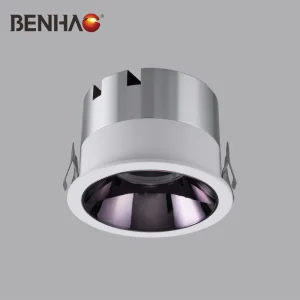
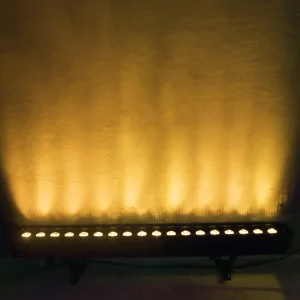
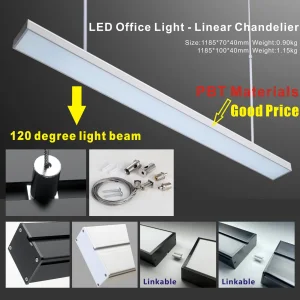
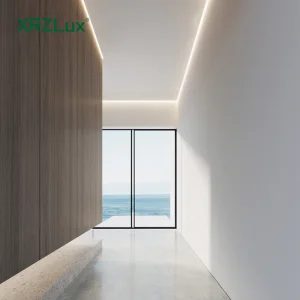
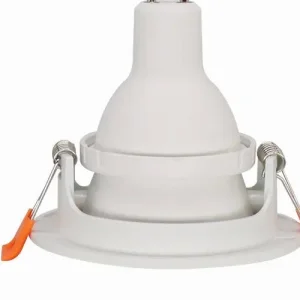
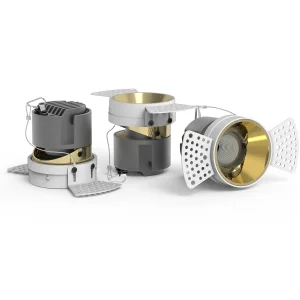
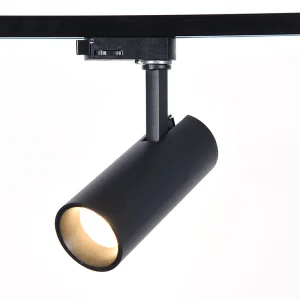
In modern spatial architectural design, the integration of light and architectural structure has transitioned from a basic functional requirement to an indicator of space quality, energy conservation, and human-centric environmental health. The global market for High Output Linear Lights is seeing unprecedented growth, driven by rigorous regulations for energy-saving commercial buildings, green initiatives (such as LEED, BREEAM, and WELL certifications), and a collective corporate drive toward carbon neutrality.
High Output Linear Lighting refers to high-efficacy, dense LED arrays arranged in architectural aluminum housings that deliver high lumens per meter (typically exceeding 1500 lm/m to 3000+ lm/m) without compromising thermal metrics or creating glare. Unlike standard consumer-grade LED strips, these commercial installations must run continuously for years, offering consistent color temperature (within MacAdam Ellipse 3-Step SDCM), High Color Rendering Indices (CRI Ra > 90, R9 > 50), and compatibility with unified control systems.
The applications are extensive: distribution hubs, smart logistics systems, modern workspaces, large commercial malls, museum exhibits, hospitality environments, and educational centers. Across these sectors, high-output fixtures replace legacy T5/T8 fluorescent tubes, providing more uniform illumination, improved optical distribution, and smart controls integration.
An exploration of structural, thermodynamic, and optoelectronic standards that define commercial-grade linear fixtures.
High-output linear engines generate localized thermal loads that must be dissipated rapidly to protect the LED PN junction. By utilizing heavy-gauge aviation-grade extruded aluminium profiles (AL6063-T5) with integrated thermal micro-fins, the thermal resistance (Rth) is lowered to <2.5°C/W. This maintains junction temperatures below 75°C, ensuring compliance with TM-21 lifespan projections.
For high-end commercial spaces, retail galleries, and luxury residential designs, color representation is key. Modern specifications mandate high-density SMD or COB light sources with strict SDCM limits. Excellent R9 values (saturated reds) and overall high Color Rendering Indexes (CRI > 90) eliminate visual distortion and improve the display of products and spaces.
True industrial efficiency requires high-end driver topologies. We design systems utilizing flicker-free drivers (ripple current <1%) compatible with advanced dimming and building management protocols: DALI-2, 0-10V, Triac, and IoT wireless networks (Casambi, Zigbee). Our drivers feature an integrated power factor correction (PFC > 0.95) and total harmonic distortion (THD < 10%).
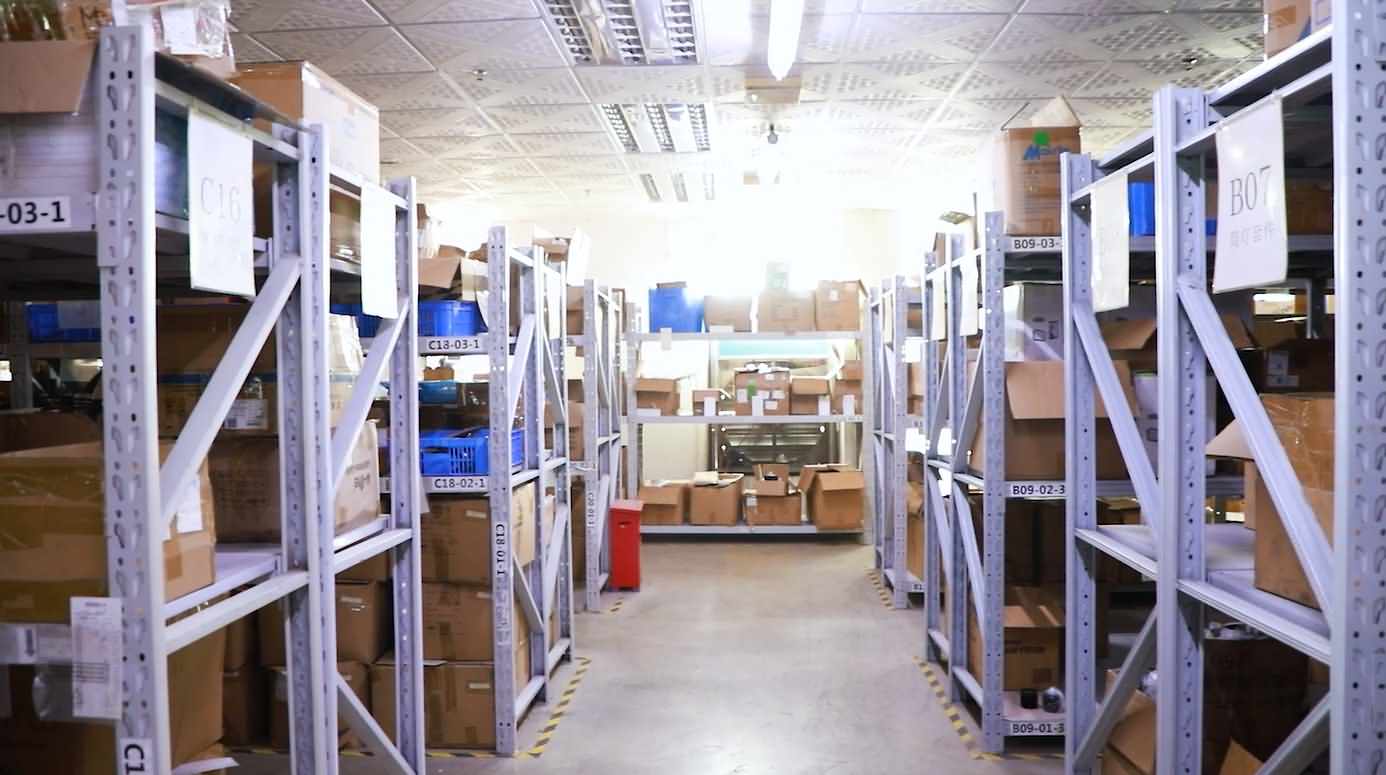
The global LED supply chain has settled in Southern China, specifically within the Guangdong region, due to its deep integration of auxiliary industries. From high-grade aluminum extrusions, optics fabrication, PCB fabrication, and smart driver development to testing labs, the ecosystem offers high responsiveness and value. This clustering effect allows manufacturers like Guangdong Vactrim Light Co., Ltd. to fast-track OEM/ODM development cycles and keep prototyping times down to 3–7 business days.
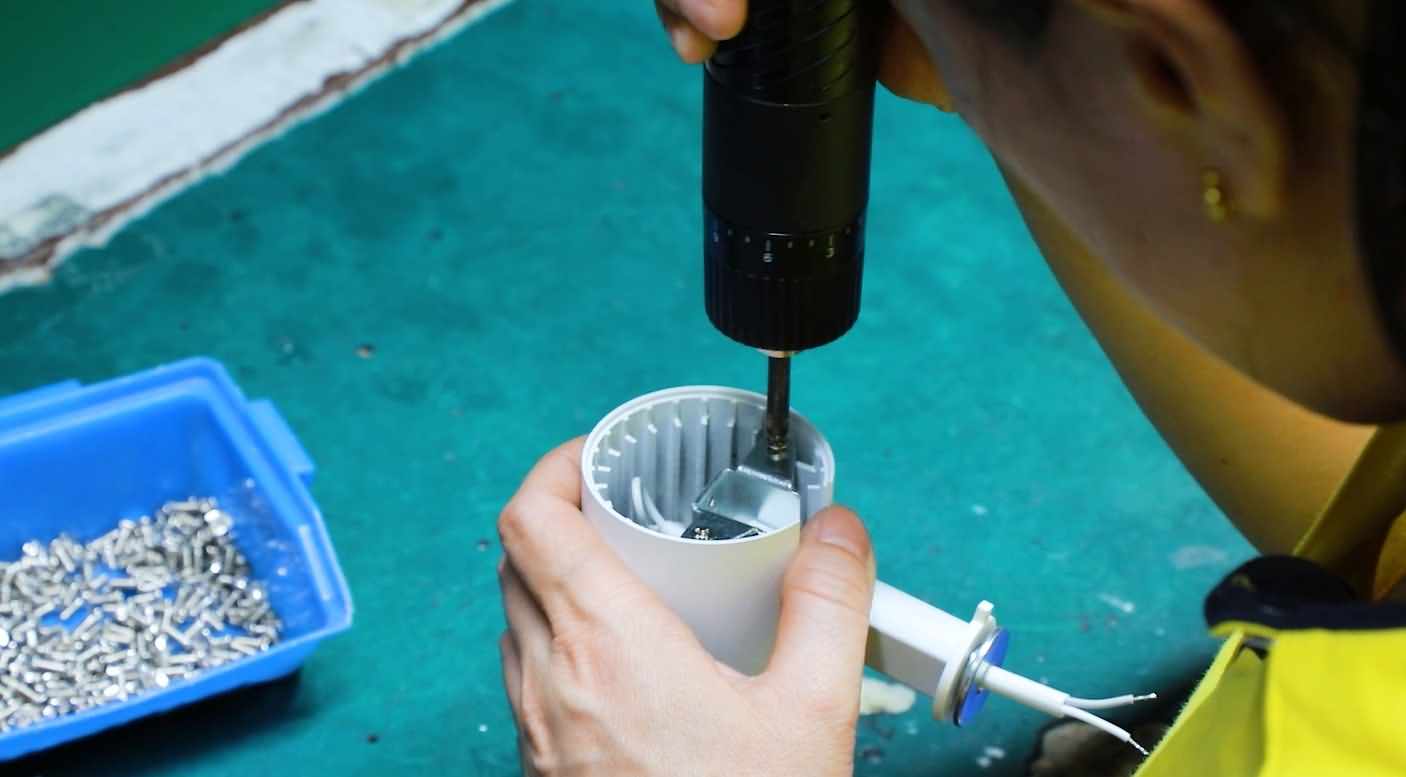
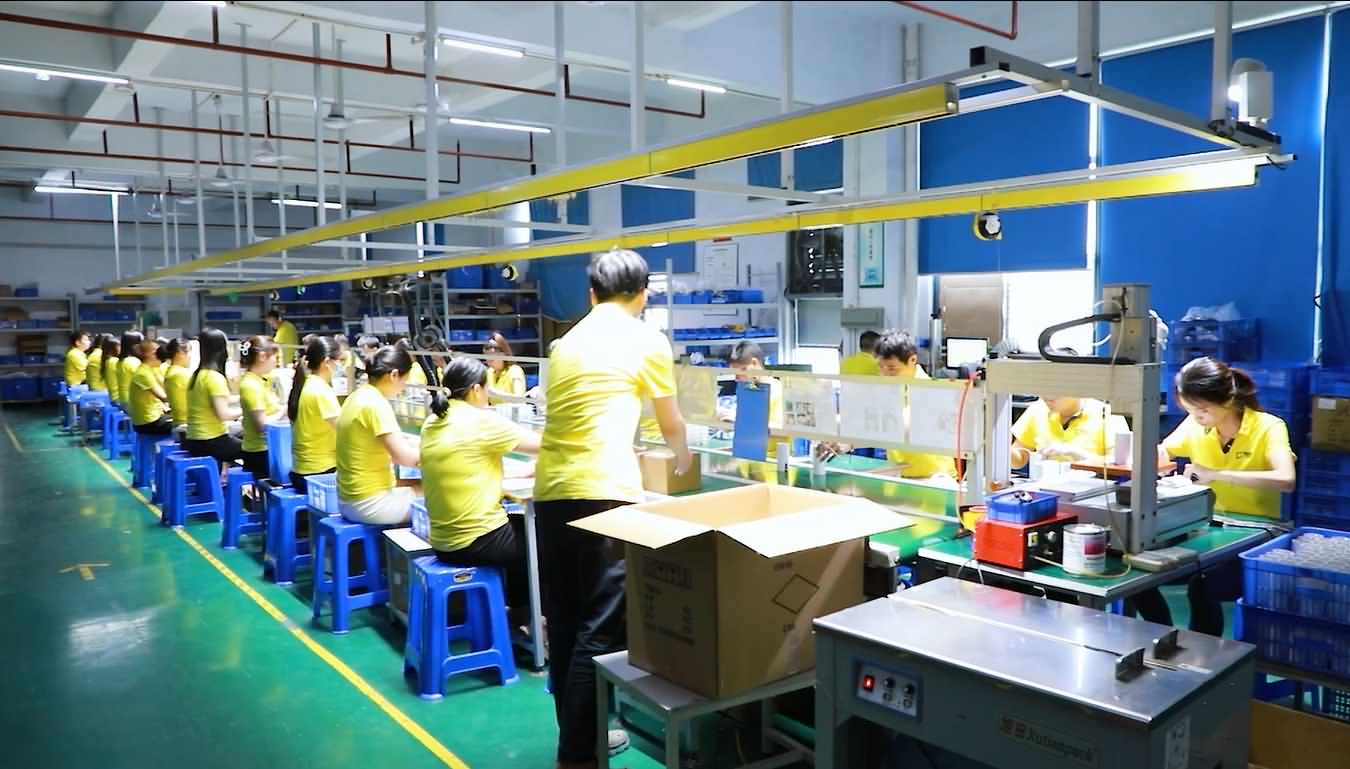
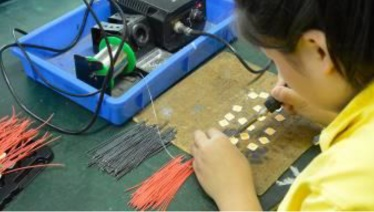
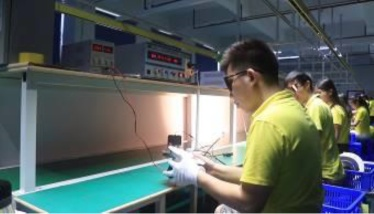
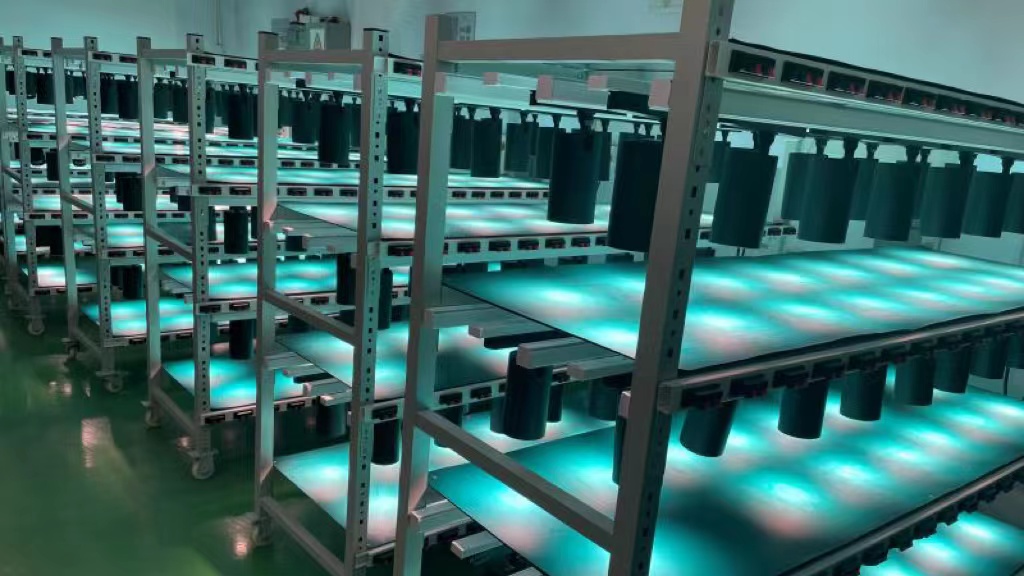
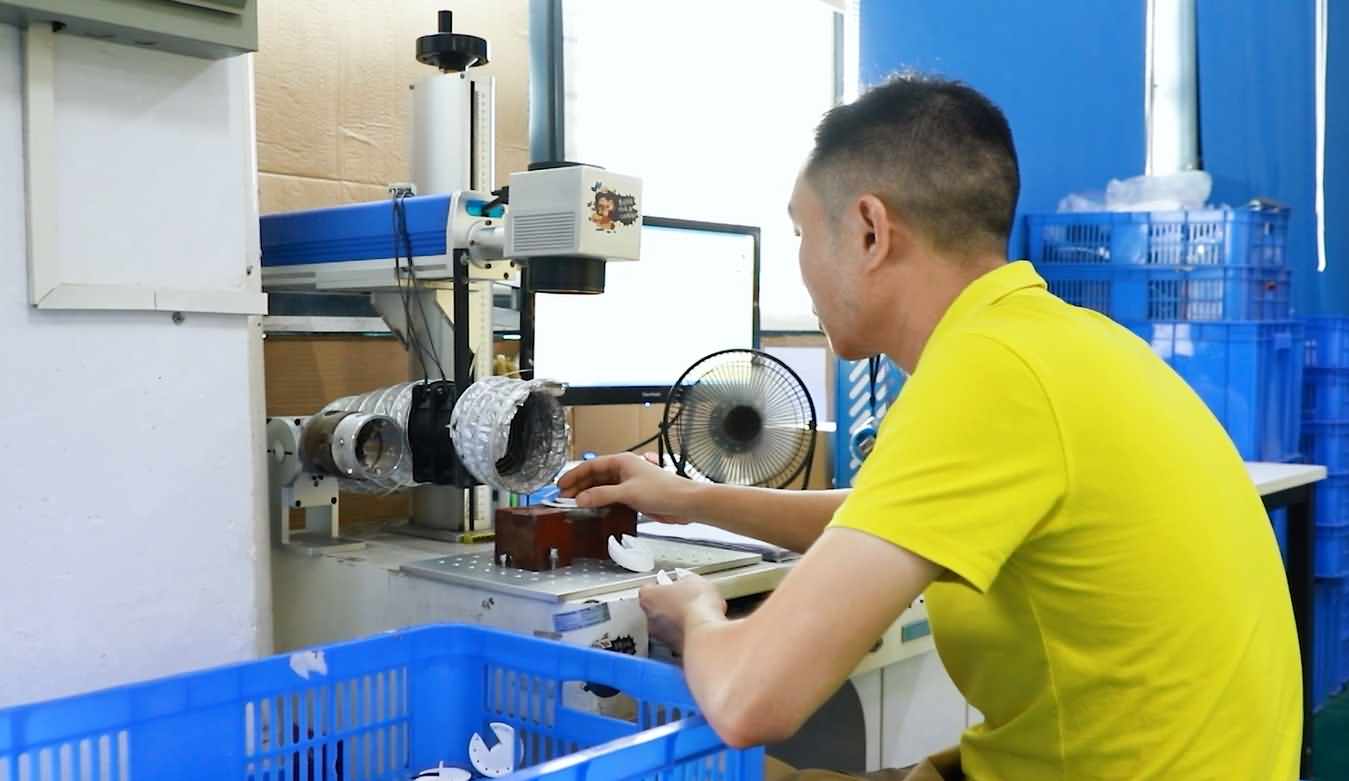
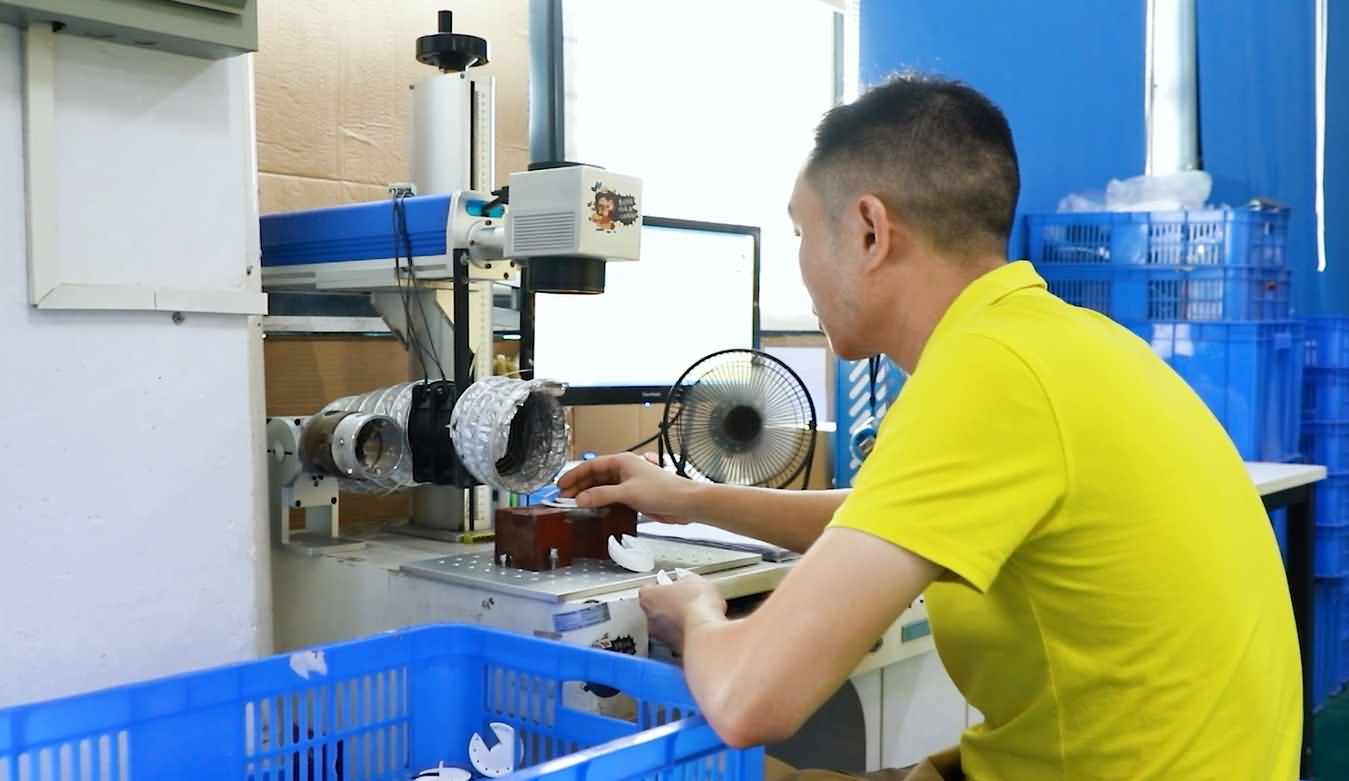
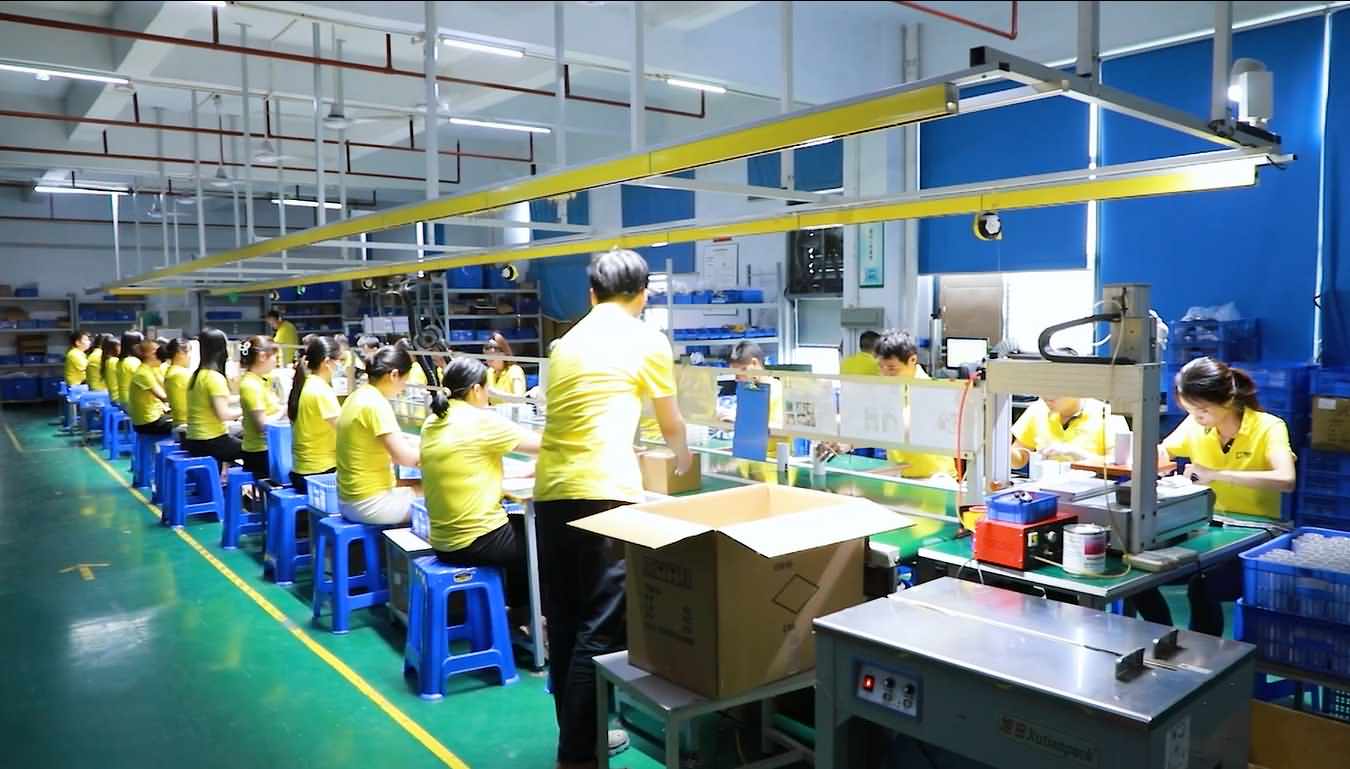
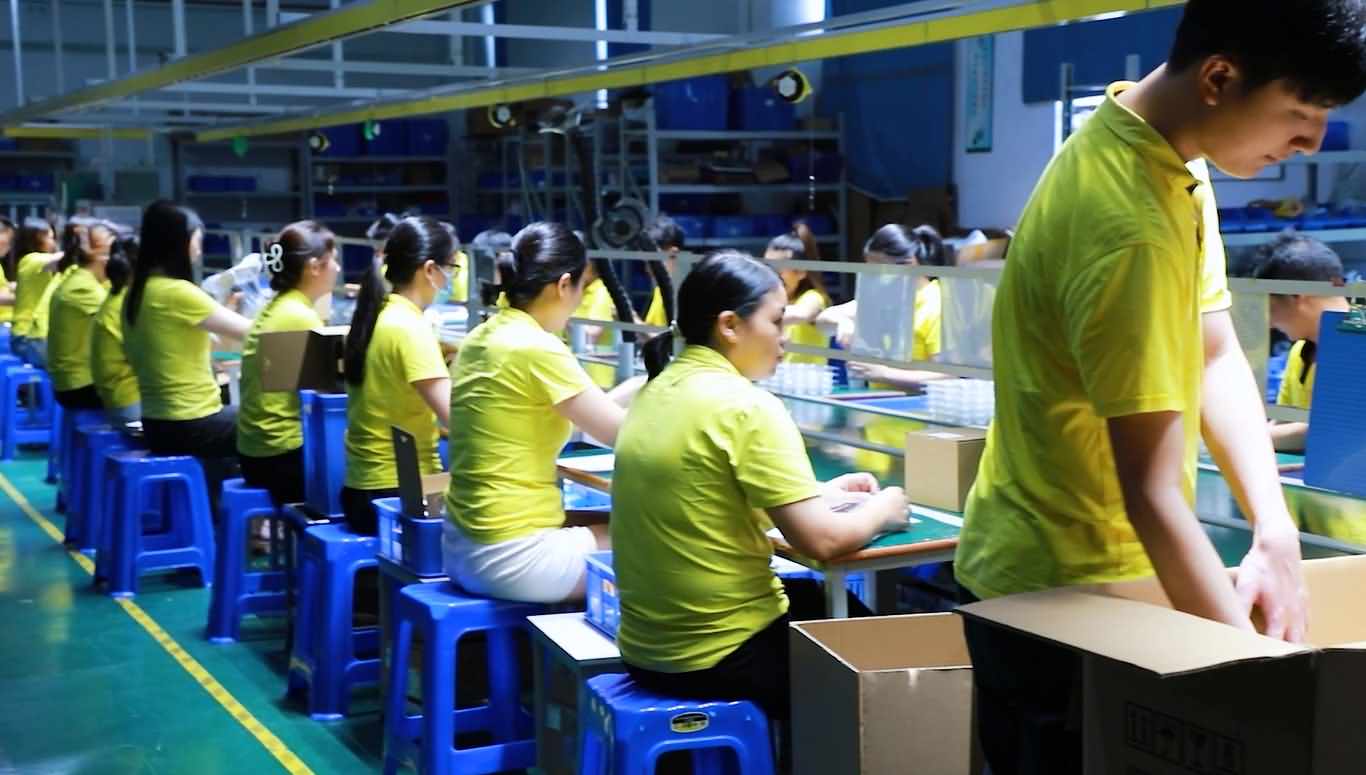
Furthermore, raw materials undergo strict testing, and assembly is optimized for low defect rates through structured quality controls. Integrated processes, including automatic glue dispensing, laser marking, high-precision soldering, and comprehensive high-temperature aging chambers, guarantee that every batch meets international safety and durability codes.
Guangdong Vactrim Light Co., Ltd. uses this manufacturing model to serve clients across Europe, North America, Oceania, and the Middle East. By combining scale with ISO-certified production controls, we maintain strict quality standards while offering competitive solutions for commercial developers.
Established in 2010, Vactrim is a high-tech manufacturer specializing in professional commercial LED lighting solutions. Our facilities integrate advanced production and testing lines to support global commercial projects.
How modern design projects implement high-output linear fixtures to resolve architectural constraints.
In open-plan workspaces, providing adequate lighting while preventing screen reflections is key. Modern designs utilize suspended double-emission (direct/indirect) linear profiles. The direct channel delivers high task-plane illuminance (exceeding 500 lux) with micro-prismatic diffusers that keep UGR below 19. Meanwhile, the indirect channel bounces light off the ceiling, creating a sense of volume and reducing visual strain.
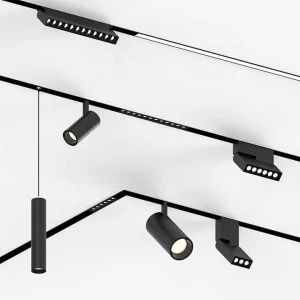
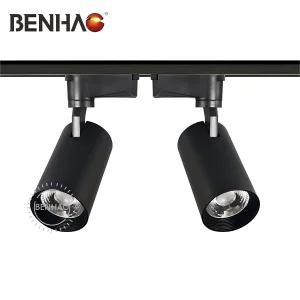
Retail applications rely on high color fidelity and directional accentuation to display products effectively. Here, designers combine track-mounted linear washes with adjustable spot units. The linear segments provide baseline ambient lighting, while targeted spot lights draw attention to featured displays. Dynamic tunable white systems (2700K to 6500K) allow real-time changes to match seasonal themes.
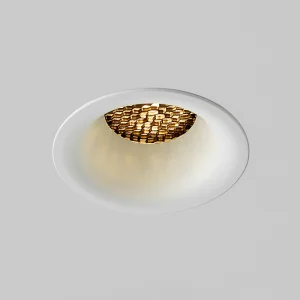
Modern trimless profile systems, like the XRZLux series, integrate seamlessly into drywall ceilings and partitions. They create soft, gradient illumination across surfaces without visible fixtures. These systems rely on asymmetric reflector geometry to direct light downward along the wall, emphasizing architectural textures while hiding the LED source from view.
For spaces with high ceilings, lighting must deliver consistent illumination over vertical racks while handling dust and moisture. Chain-suspended IP65/IP67 continuous line systems offer a reliable solution. They utilize heavy acrylic optics and impact-resistant housings to deliver narrow beam distributions, ensuring high floor lux levels and minimal light scatter.
For global purchasing officers and MEP engineers, selecting a reliable B2B supplier for high-output linear lights involves assessing several technical and operational criteria. Price is only one factor; performance parameters, build quality, and certification compliance are critical to avoiding project delays or early component failures in the field.
Key requirements include verifying certificates like CE, CB, RoHS, SAA, TUV, and SASO, which confirm the supplier's products comply with international safety regulations. Additionally, sourcing from suppliers that provide clear photometric data (IES files, LDT files) is essential. These files enable engineering teams to verify calculations using design software like DiaLux, ensuring lighting layouts meet target illuminance levels before purchase.
Furthermore, checking details like led strip density, thermal management profiles, driver brands, and warranty terms helps secure a reliable supply of fixtures for major commercial developments.
How IoT, human-centric design, and sustainable materials are shaping the next generation of architectural systems.
HCL systems adjust color temperature and output levels throughout the day to support human circadian rhythms. By shifting from cool white during peak work hours to warm tones in the evening, these linear systems help maintain natural sleep-wake cycles and improve comfort in office and educational environments.
Modern linear housings are designed to incorporate micro-sensors directly into the profile channels. Daylighting, occupancy, and motion sensors communicate via smart building networks to dim or disable lighting zones when unoccupied, reducing energy consumption and optimizing utility usage.
Sustainability in manufacturing requires high-grade, recyclable materials. Moving toward high-purity recycled aluminum extrusions and modular component designs allows for straightforward repairs, part replacement, and end-of-life disassembly, helping projects lower their carbon footprint.
Detailed answers to common technical, design, and logistics questions from professional lighting buyers.
The standard for projecting LED commercial lifespan is the IES TM-21-11 standard, which calculates future lumen maintenance based on actual testing data collected under IES LM-80-08 conditions. Guangdong Vactrim systems achieve L80B10 ratings exceeding 50,000 hours. This means that after 50,000 hours of continuous operation, at least 90% of the LEDs will still output a minimum of 80% of their initial lumen level. Effective thermal dissipation (maintaining solder point temperature Ts < 75°C) is key to meeting these projections.
Color consistency is maintained by sourcing LEDs within a tight binning range. Vactrim uses sub-bins within a 3-step MacAdam Ellipse (3 SDCM) tolerance. This ensures that variation in color temperature is imperceptible to the human eye under normal viewing conditions. Consistent binning prevents color mismatching when multiple fixtures are installed in a continuous linear run.
Our linear lighting fixtures can be paired with several commercial driver systems. We offer DALI-2 drivers (supporting individual fixture addressing and diagnostic feedback), 0-10V analog dimming, and phase-cut options. For modern wireless integration, we support Casambi, Zigbee, and Tuya control protocols, allowing users to configure scenes, manage schedules, and implement daylight harvesting.
The aluminum profile acts as both the structural enclosure and the heat sink. High-output linear lights operate at power levels ranging from 15W to over 30W per meter, requiring effective heat dissipation. We extrude our profiles from architectural-grade AL6063-T5 aluminum, which features a thermal conductivity of roughly 200 W/m·K. This profile thickness helps draw heat away from the LED strip, keeping the system operating within safe temperature limits.
We offer a 5-year warranty on all standard commercial-grade linear lights. Our ISO 9001:2015 quality control workflow involves multiple inspection stages: raw material screening, SMT testing, post-soldering checks, and a 24 to 48-hour continuous burn-in test under high load. This process helps us identify and resolve potential issues before the fixtures are packaged and shipped.
High-performance spotlighting, wall washers, and track light systems engineered to integrate with high-output linear setups.